8 Best Pelvic Floor Trainers for Women to Strengthen From Within
Pelvic floor trainers provide real-time biofeedback that teaches correct muscle activation. These devices build consistency, track progress objectively, and can make exercise more engaging and fun.




Published February 27, 2026

Are you doing Kegels, but unsure if they’re actually helping? Still leaking during workouts months after childbirth or during high-impact exercise?
It’s frustrating when squeezing on your own doesn’t seem to make a difference, right? Well, that’s because many women with incontinence can’t properly engage their pelvic floor without guidance. Since these muscles are internal and invisible in women’s anatomy, it’s easy to unknowingly use other muscles instead.
This guide shares the best pelvic floor trainers for women that offer real-time biofeedback and tracking to help build control and strength, whether recovering postpartum, managing leaks during exercise or perimenopause, or strengthening preventively.
Perfect Your Technique From Day One
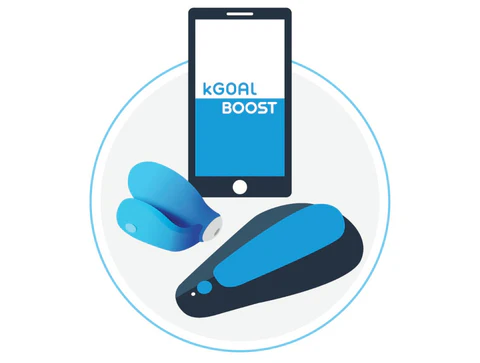
kGoal shows you exactly when you're engaging the right muscles.
The Top 8 Pelvic Floor Trainers for Women
kGoal Classic: Best for beginners learning the correct vaginal contraction technique
kGoal Boost: Best for non-insertion training and down training
kGoal IntimFlex: Best for comfortable, functional internal training
Leva Pelvic Health System: Best for tracking stress incontinence outcomes
PeriCoach: Best for home biofeedback matching PT results
InTone: Best for hybrid biofeedback plus electrical stimulation
iTouch Sure: Best for intravaginal electrical stimulation
Apex: Best for accessible at-home e-stim
Why Pelvic Floor Trainers Work Better Than Unsupervised Kegels
Instructions like "squeeze like you're stopping the flow of urine" sound simple enough, but here's the problem: pelvic floor muscles are completely internal. You can't see them in a mirror like biceps, and for most women, they're hard to feel clearly. This creates some real challenges that trainers help solve:
You know if you're doing it right. Real-time biofeedback shows whether you're actually lifting your vaginal pelvic floor upward (correct) or accidentally bearing down and pushing (which increases pressure and can make pelvic organ prolapse worse instead of helping)
You get support sticking to a routine. Clinical guidelines recommend at least 8 contractions, 3 times daily, for a minimum 3-month trial [1]. Many trainers, including kGoal devices, let you set reminders and follow guided sessions, making it easier to stick with a schedule you create and see what you’ve completed
You can see actual progress. Tracking pelvic floor muscle performance across domains like strength, endurance, and coordination/control eliminates the guesswork about whether pelvic floor fitness is improving over time
They complement pelvic floor physical therapy. Biofeedback trainers help make at-home practice more effective, supporting the work done during sessions with a pelvic floor PT—or providing structured guidance for women facing cost, geographic, or scheduling barriers to care [2]
You see real-life improvements. Studies show urinary incontinence decreased more with motion-based devices (−1.7 per day) compared to exercises alone (−0.7 per day) at 8 weeks [3]. When you can connect your training sessions to actually leaking less in daily life, it's way easier to stay motivated
What to Look for in a Pelvic Floor Trainer
It's important to remember that pelvic floor motion is complex, and no consumer device can perfectly interpret every contraction pattern on its own.
Some trainers provide motion- or pressure-based feedback that can help indicate whether a contraction resembles a lift or a push, but this feedback works best when paired with clear instruction, coaching, or professional guidance, especially for beginners.
For this reason, many pelvic health professionals recommend using trainer feedback as a learning aid, not a replacement for instruction or assessment when questions arise.
Settings That Adjust to You
Targets that are impossibly hard make you want to quit, while targets that are too easy don't actually train anything. Good systems calibrate to your specific starting point and adjust as you improve.
Programs That Progress Gradually
Evidence-based pelvic floor training needs progressive overload—gradually increasing how long you hold, how many reps you do, and how intense the work gets over 8-12 weeks minimum. Just like building any other muscle [4].
Features That Help You Stick With It
Reminders, short 5-10 minute sessions, streak tracking, and visible progress logs all reduce the mental barrier that makes people quit despite good intentions.
Safe, Clean Design
Internal vaginal devices need to be easy to clean properly and comfortable enough for consistent use. Research shows 7.7% infection rates with some intravaginal devices—proper materials and cleaning protocols aren't optional extras, they're essential [5].
Red Flags for Pelvic Trainers
Pain That Gets Worse: If a device causes pain, burning, or pressure, stop. You may need to relax your pelvic floor with downtraining, not strengthening
No Clear Safety Guidance: Reputable trainers should clearly state who should and shouldn’t use the device, and explain what type of feedback they provide, whether visual, vibrational, or physical, along with how that feedback can be adjusted or progressed over time.
Unrealistic Promises: Real results take weeks. Instant “cures” are a red flag
Our 8 Best Pelvic Floor Trainers For Women
1

kGoal Classic: Kegel Trainer for Women
Your personal pelvic floor coach with instant feedback
Easy to Use
Yes
Insertion Required
Yes
Provides Biofeedback
Yes (visual + tactile/vibrational)
Why we chose this product:
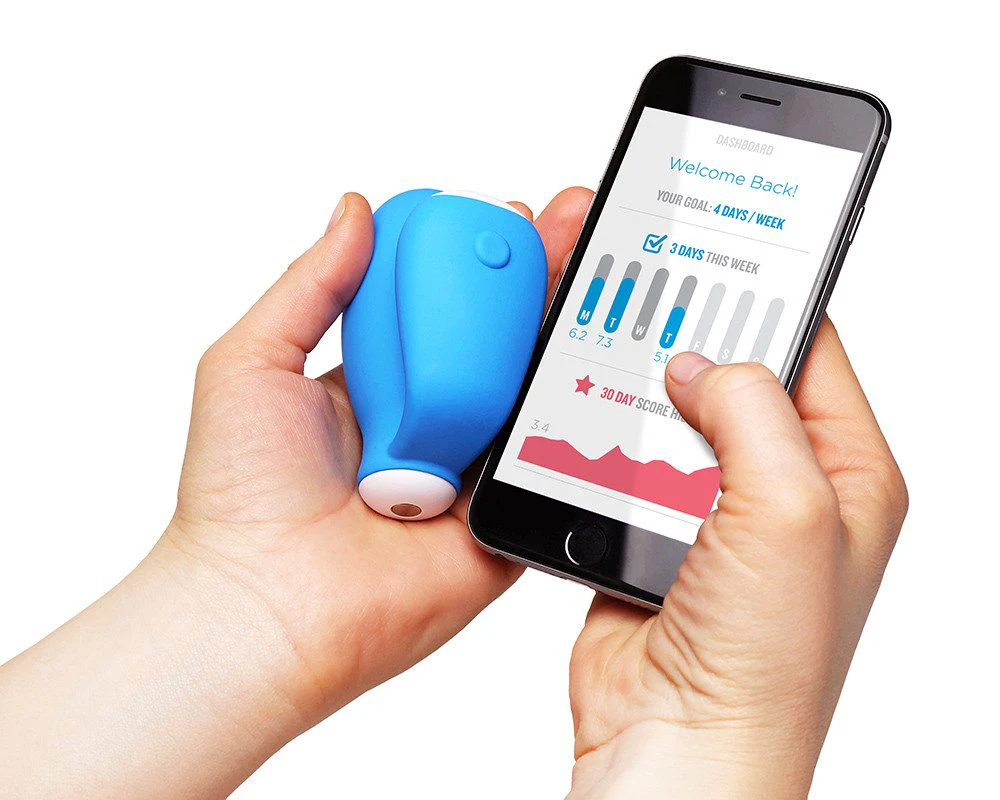
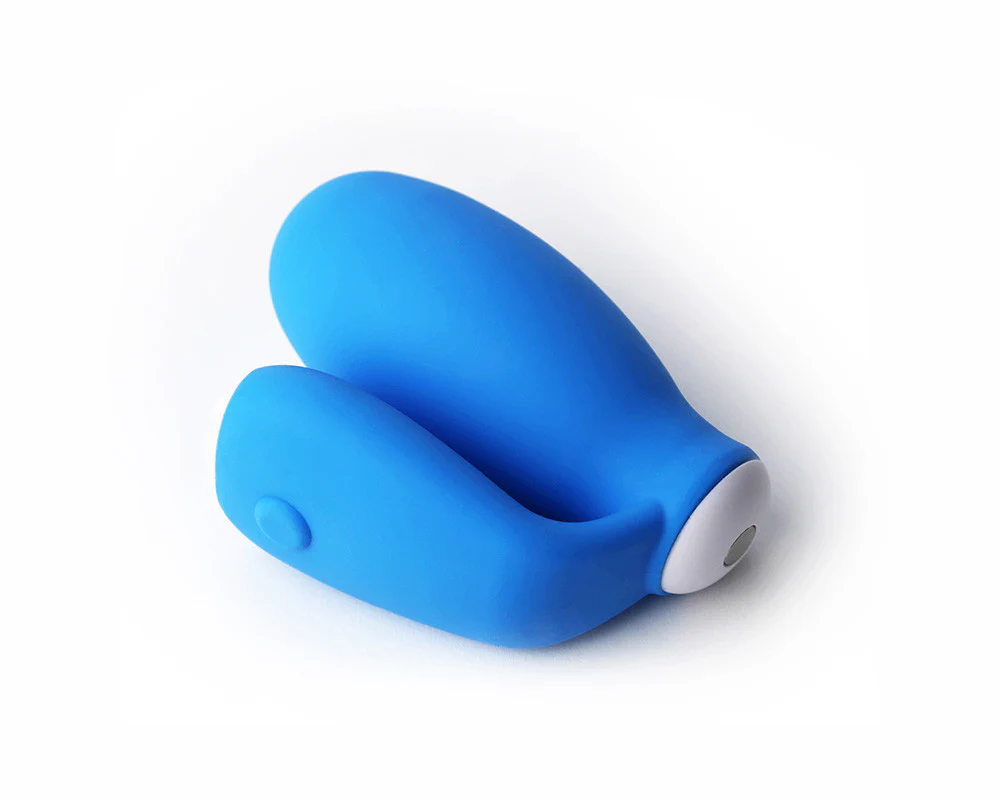
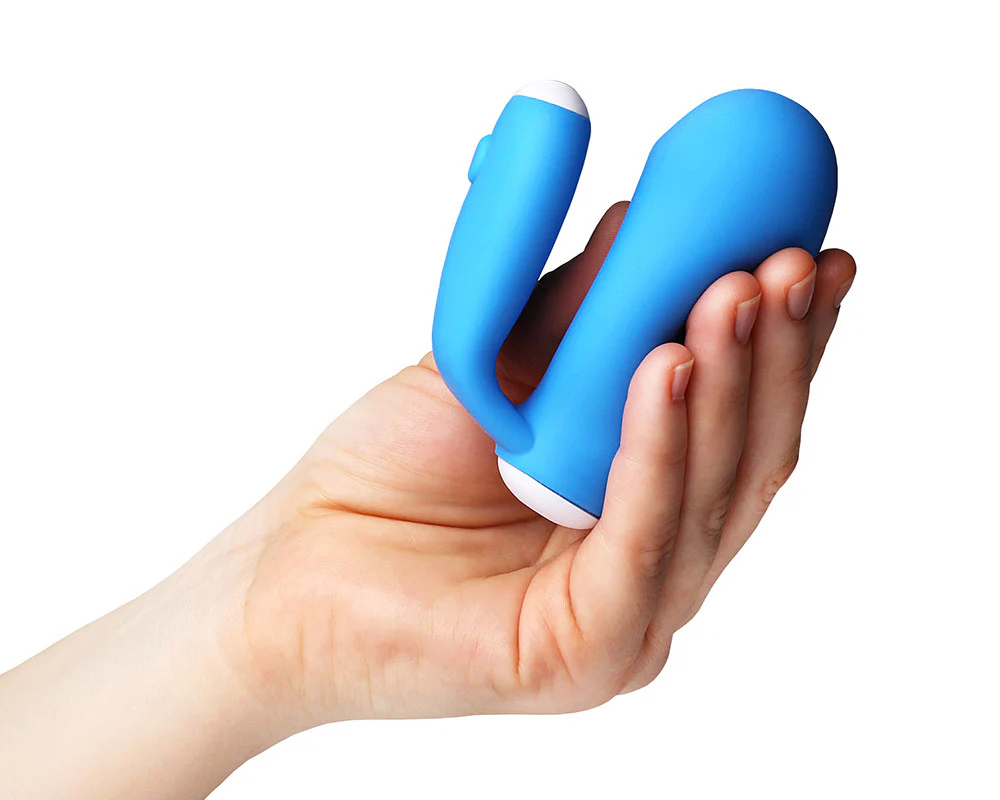
kGoal Classic is ideal for women who want clear, immediate feedback to improve pelvic floor technique and track muscle performance over time. It’s equally valuable whether you’re recovering postpartum, working on bladder control during perimenopause or menopause, aiming to improve pelvic health for better intimacy, or simply focusing on healthy aging.
By combining visual biofeedback with tactile vibration cues, kGoal Classic transforms invisible pelvic floor exercises into an engaging, measurable experience. The app’s customizable workouts and gamified elements make it easier to stay motivated and consistent, helping you build strength and control with confidence. Classic also includes “downtraining” programs that teach pelvic floor relaxation, essential for women with hypertonic (overly tight) muscles who need to release tension before strengthening.
Standout features
- Dual biofeedback: visual cues on the app plus tactile/vibrational signals that you can feel internally, helping reinforce proper muscle engagement
- Quantifies pelvic floor muscle performance, giving clear metrics to track strength, endurance, and control over time
- Gamified and customizable workouts that make pelvic floor training more enjoyable and easier to stick with
- Progressive training programs that adapt as your strength and coordination improve
- Automatic recalibration at startup to ensure accurate feedback despite changes in fit or position
- Suitable for a wide range of pelvic health goals—whether postpartum recovery, pelvic strength for intimacy, bladder control in menopause, or healthy pelvic aging
2
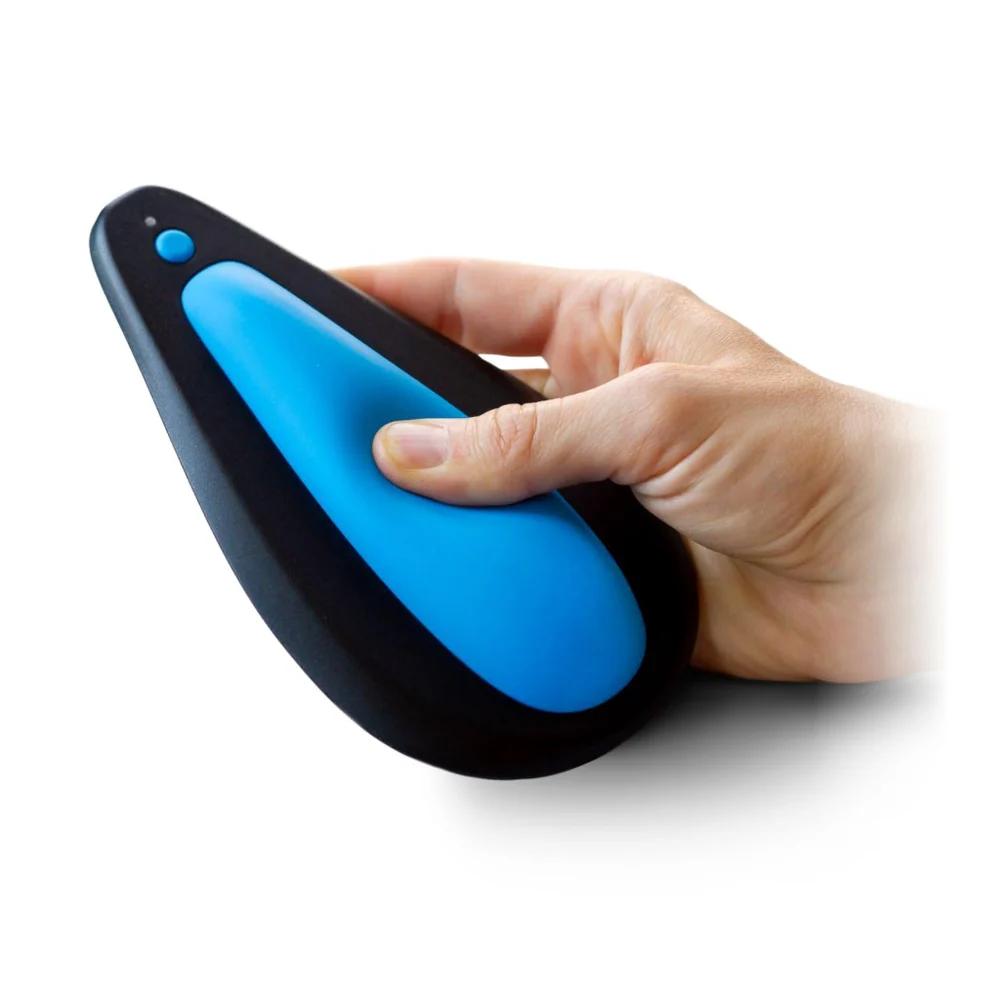
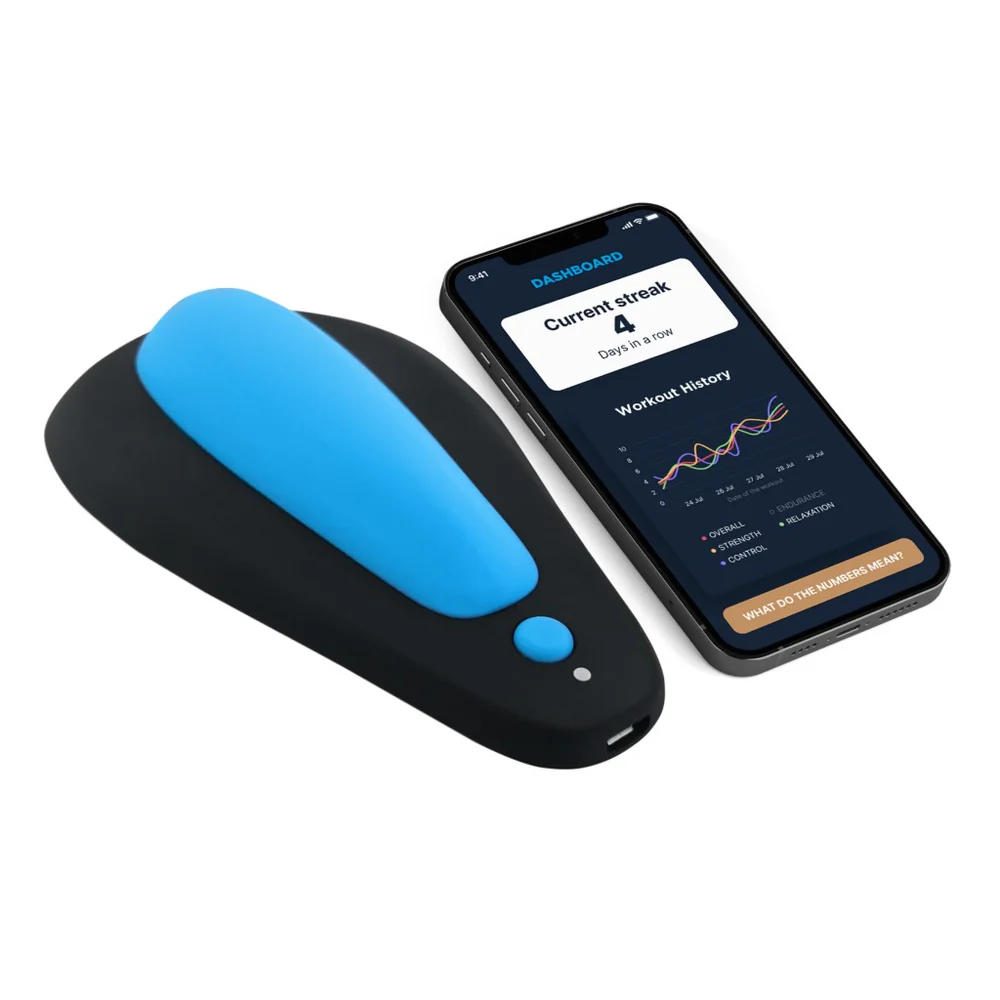
Boost: Sit-On-Top Kegel Trainer
Sit-on-top biofeedback for strengthening and relaxation without insertion
Easy to Use
Yes
Insertion Required
No
Provides Biofeedback
Yes (visual + tactile/vibrational)
Why we chose this product:
kGoal Boost for women is designed for people who prefer a non-insertive option due to pain, dryness, postpartum tenderness, cultural or personal preference, or simply comfort. This external, sit-on-top trainer measures pelvic floor muscle activation through sensors placed externally while fully clothed, removing many barriers to consistent use.
Many women who need downtraining find internal devices uncomfortable or painful, so Boost’s non-insertable design makes it especially well suited for teaching pelvic floor relaxation safely and comfortably. It includes dedicated downtraining programs to help relax overly tight pelvic floor muscles before strengthening.
With dual biofeedback—clear visual cues on the app plus gentle vibration feedback—you’ll build body awareness that helps translate training into daily life.
Standout features
- Non-insertive sit-on-top design suitable for pain, postpartum tenderness, or personal preference
- Down training programs that focus on pelvic floor relaxation as well as strengthening
- Versions tailored to women’s and men’s anatomy
- Dual biofeedback: visual app guidance plus tactile/vibrational cues you can feel, enhancing muscle awareness
- Gamified workouts designed to motivate regular practice—90% of users say guided games help improve exercise frequency
3
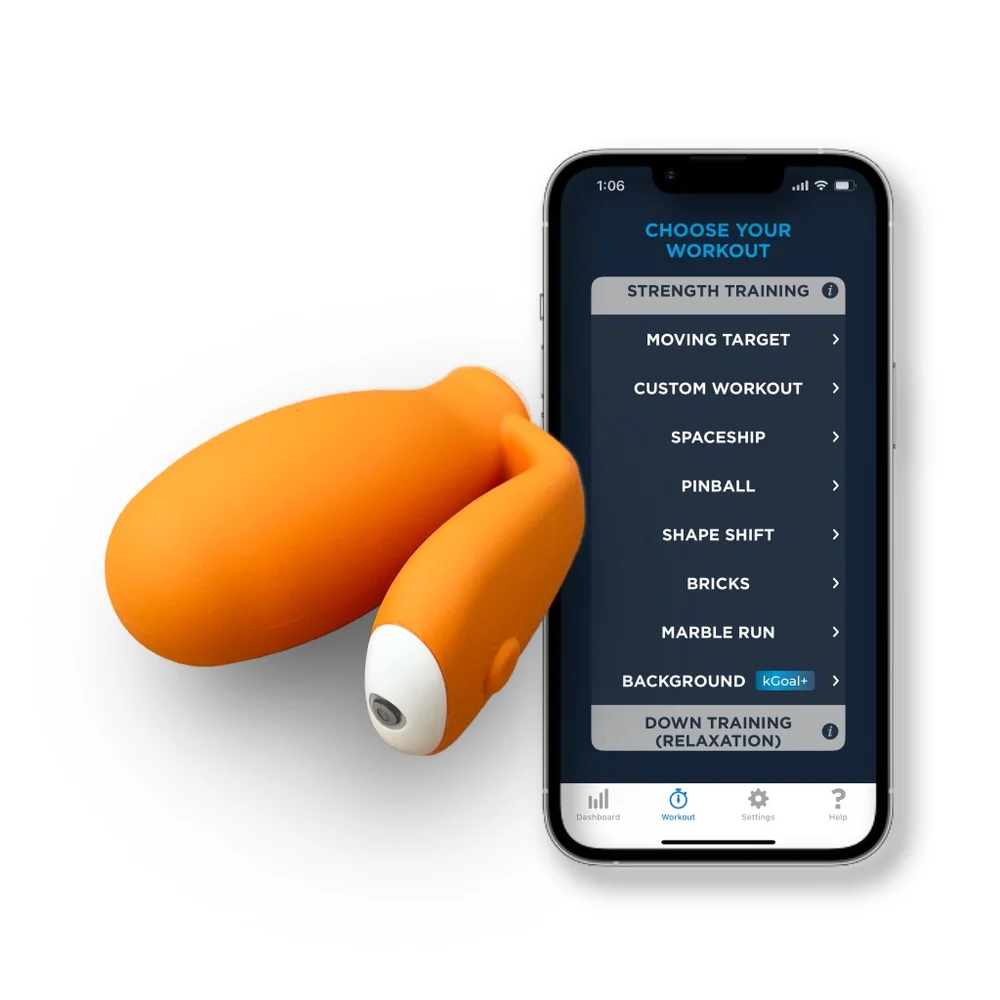
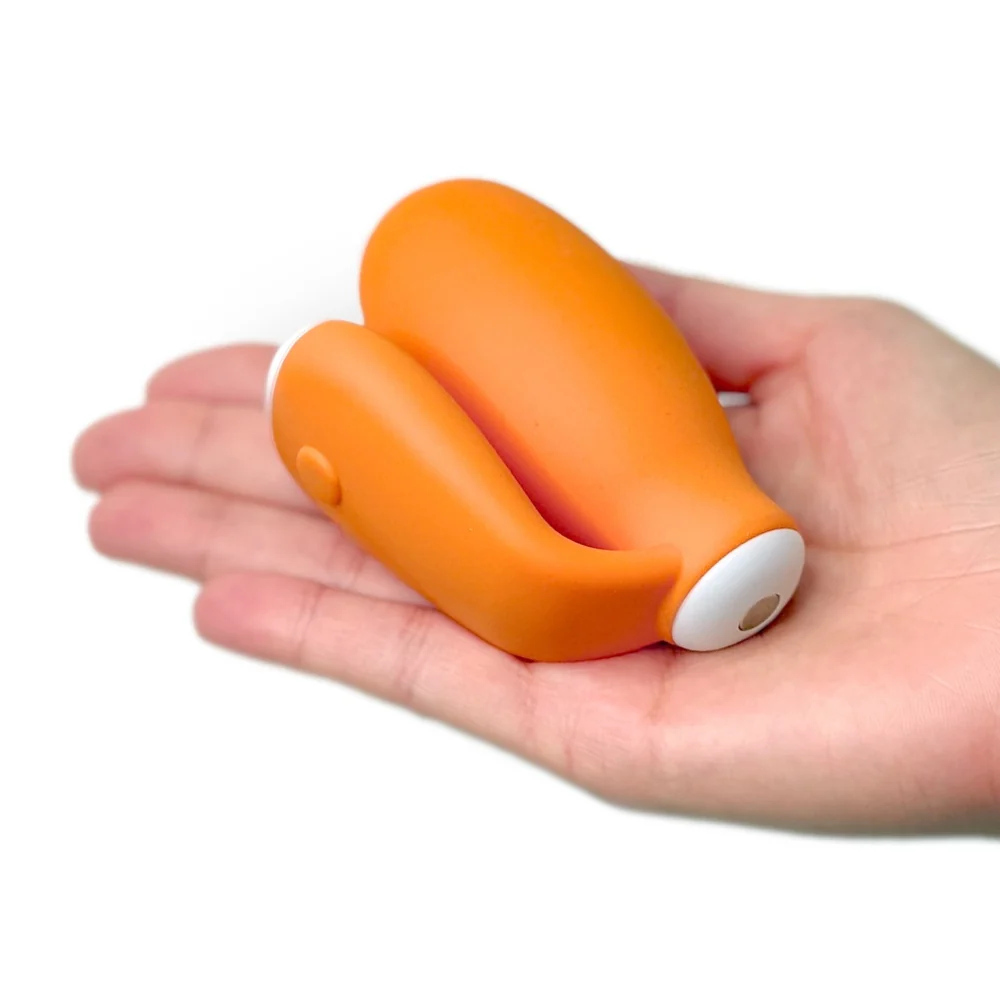
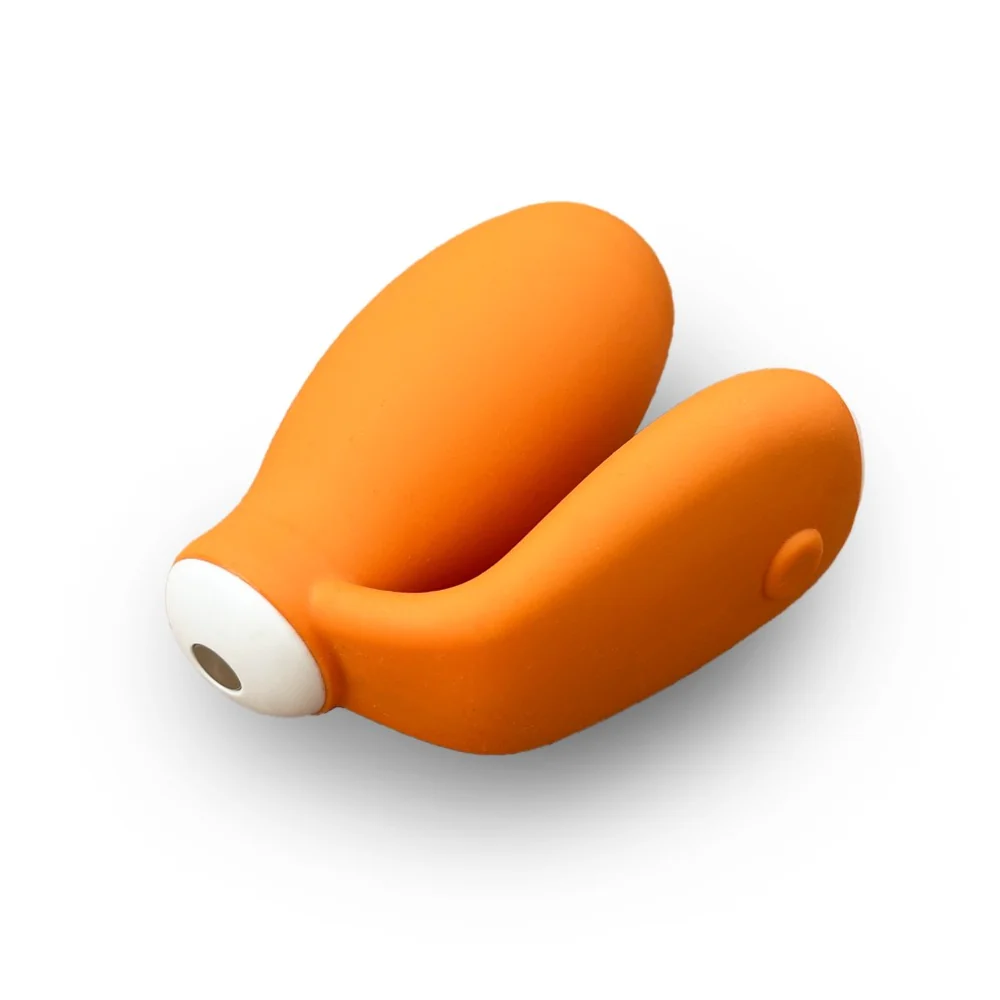
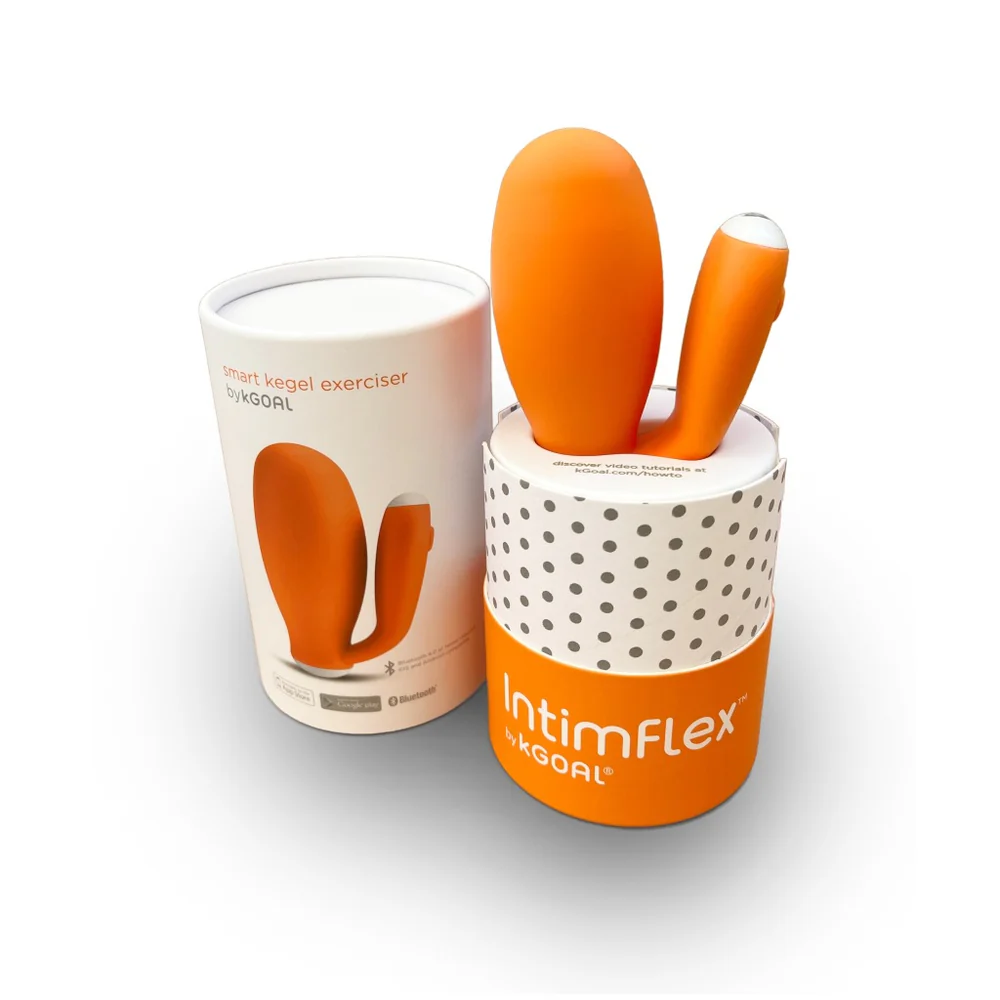
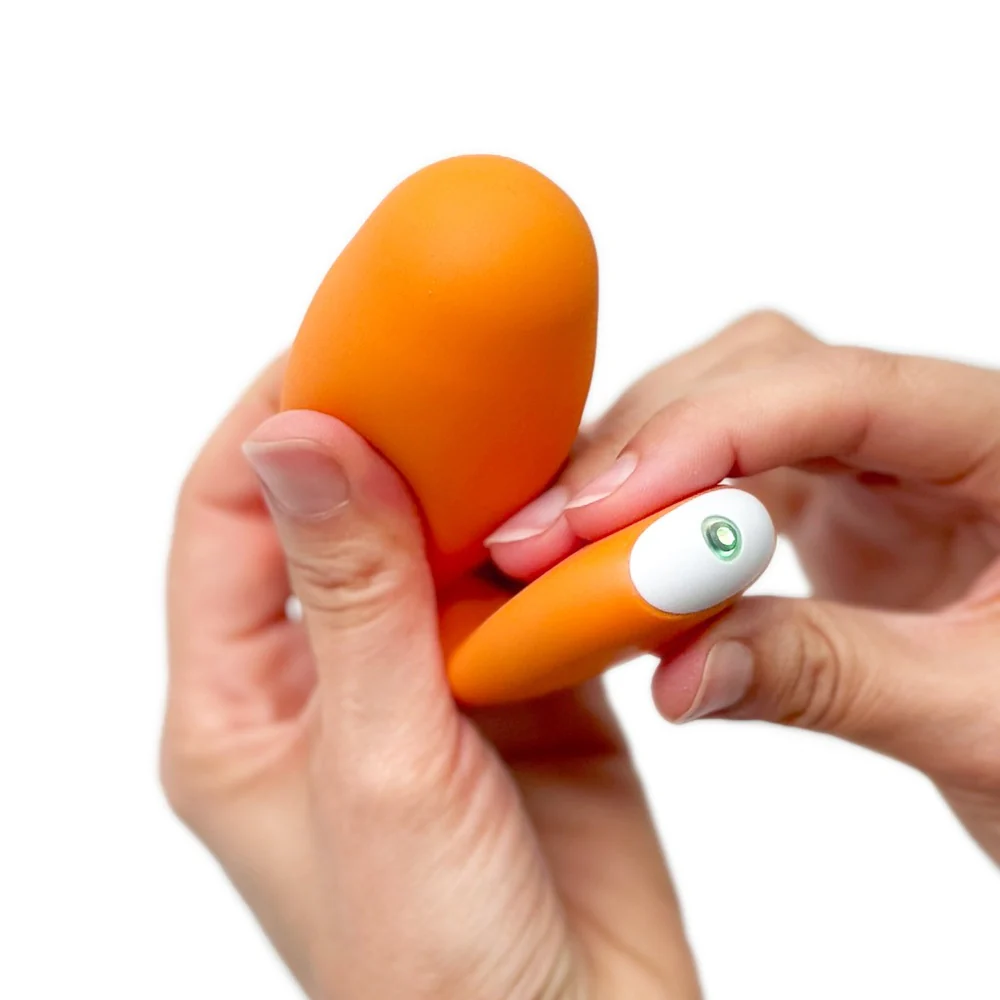
kGoal IntimFlex: Kegel Trainer for Women
Real-time biofeedback designed for ease of use and intimate fitness integration
Easy to Use
Yes
Insertion Required
Yes
Provides Biofeedback
Yes (visual + tactile/vibrational)
Why we chose this product:
kGoal IntimFlex is ideal for women who want to combine pelvic floor training with functional exercise programs, like the LiBDO pelvic health classes, or other workouts involving breathing and core coordination. While kGoal Boost is the best choice for comfort and ease of use (non-insertive training), IntimFlex offers the same real-time visual and vibrational biofeedback as kGoal Classic but is specifically designed to support pelvic floor exercise during active movement—so you don’t need to stare at the app the entire time.
If you struggle to feel your contractions clearly—which affects more than half of women with symptoms—this immediate feedback helps confirm proper technique while allowing more natural participation in comprehensive fitness routines. IntimFlex also includes “downtraining” programs to help relax tight pelvic floor muscles, supporting a full spectrum of pelvic health needs.
Standout features
- Designed to support pelvic floor training during functional exercises and movement, reducing the need to constantly watch the app
- Real-time visual and vibrational biofeedback confirming proper pelvic floor muscle engagement
- Programs that adapt to your individual body and progress
- Integrated support for pelvic health fitness programs that combine pelvic floor, breathing, and core coordination
- Gamified workouts that make pelvic floor training engaging and easier to stick with
- Addresses the common technique barrier faced by women doing unsupervised training
4

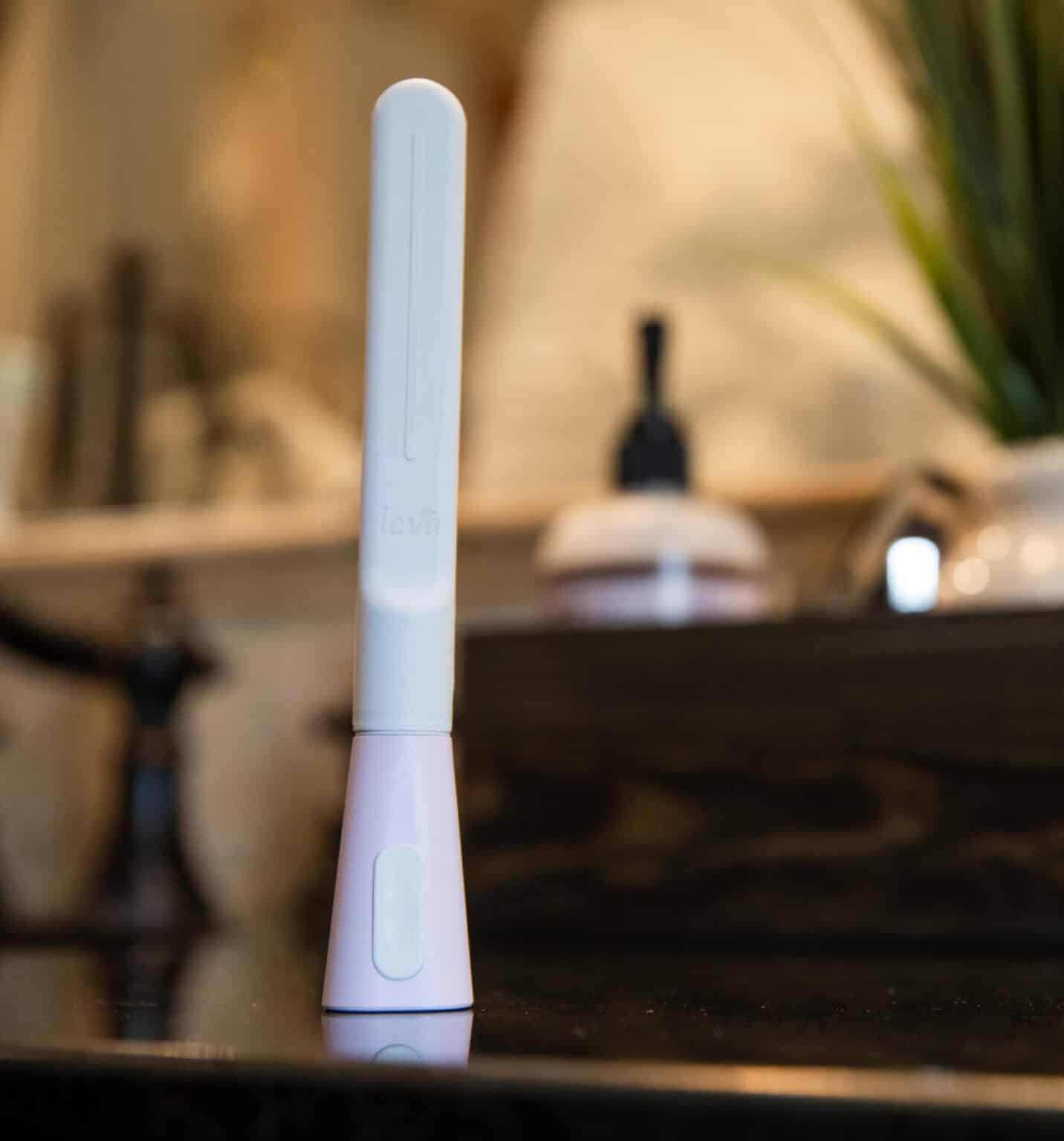
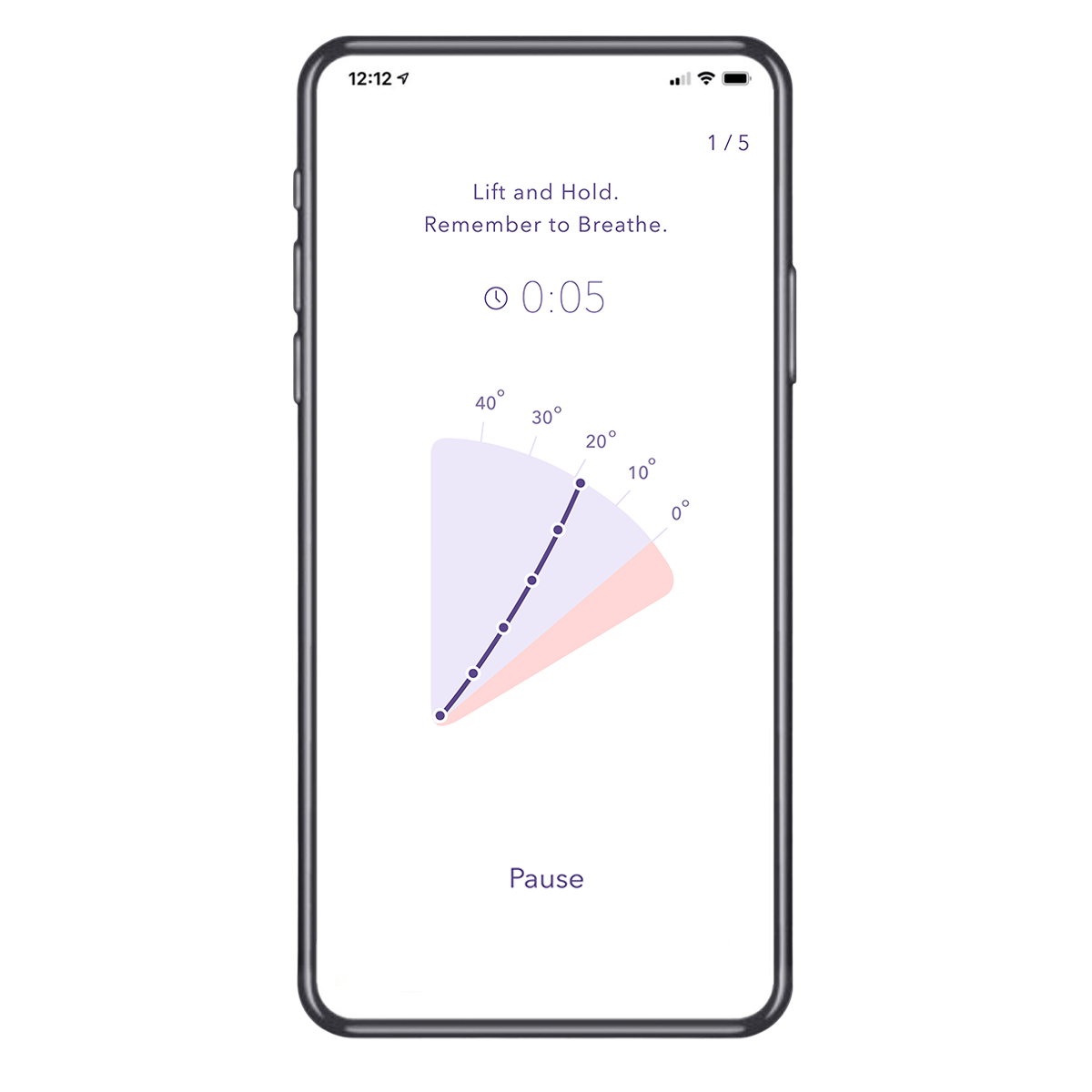
Leva Pelvic Health System
Motion-based digital therapeutic with research-proven leak reduction
Easy to Use
Yes
Insertion Required
Yes
Provides Biofeedback
Yes (visual only)
Why we chose this product:
Leva pelvic health system stands out for its personalized coaching, structured digital therapy, and quality-of-life tracking that links your exercises directly to reductions in urinary leakage. These features provide a clear, outcome-focused experience that empowers women managing stress, mixed, and urgency urinary incontinence.
Standout features
- Personalized coaching and feedback delivered through an intuitive app interface
- Structured digital therapeutic program encouraging consistent pelvic floor training
- Quality-of-life tracking that links pelvic floor exercise sessions to decreases in urinary leakage
- Motion sensor technology that monitors the quality of pelvic floor muscle contractions
- Specifically designed for stress-predominant, mixed, and urgency urinary incontinence, including overactive bladder and fecal incontinence
5

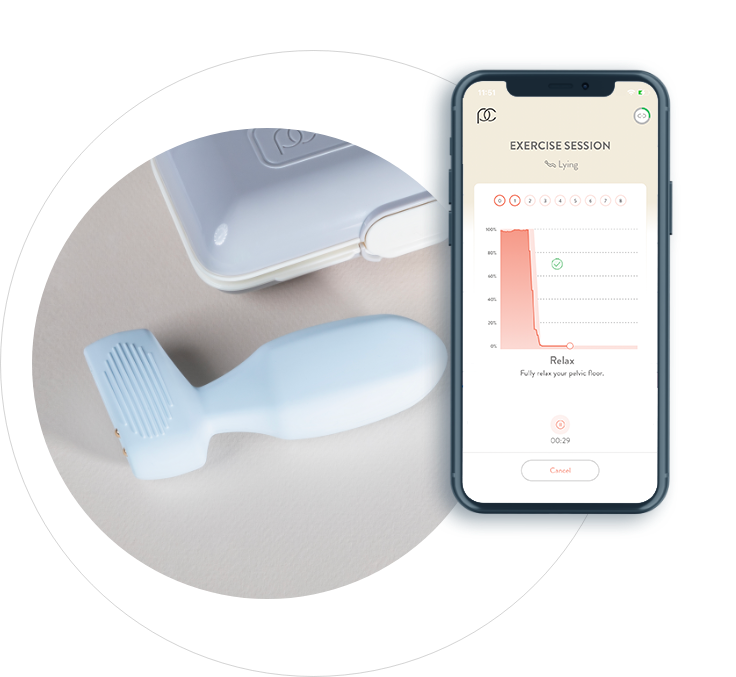
PeriCoach
Research-validated system proven noninferior to supervised physical therapy
Easy to Use
Yes
Insertion Required
Yes
Provides Biofeedback
Yes (visual)
Why we chose this product:
PeriCoach is an excellent option for women experiencing stress urinary incontinence who face barriers to accessing pelvic floor physical therapy—whether due to cost, distance, or scheduling. This system offers a structured, measurable program that provides visual biofeedback via the app, helping users confirm correct contractions and build confidence in their technique at home.
Standout features
- Visual biofeedback via an intuitive app interface to guide correct pelvic floor contractions
- Structured program with measurable progress tracking
- Quality-of-life tracking that connects pelvic floor exercises with improvements in symptoms
- Designed specifically for women with stress urinary incontinence
- Supported by research validating its effectiveness as a home-based alternative to supervised pelvic floor physical therapy
6

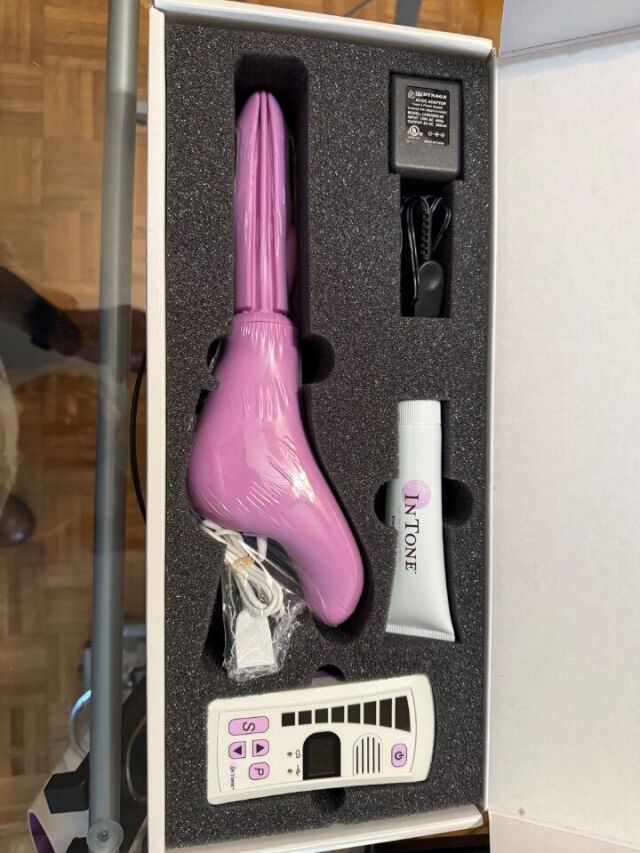

InTone
Combined voluntary training feedback with stimulation assist for maximum support
Easy to Use
Moderate
Insertion Required
Yes
Provides Biofeedback
Yes
Why we chose this product:
InTone is ideal for individuals experiencing moderate urinary incontinence who need both guidance to recruit pelvic floor muscles correctly and assistance from electrical stimulation. This hybrid trainer combines intravaginal biofeedback—helping users see and learn proper muscle engagement—with electrical stimulation that aids muscle activation when voluntary contractions are weak or inconsistent.
By offering both feedback and stimulation in one device, InTone supports improved muscle function and helps users stay motivated with an adaptable approach tailored to their comfort and needs. It works well for stress, urge, and mixed incontinence patterns, addressing challenges in muscle control and exercise adherence.
Standout features
- Intravaginal biofeedback provides real-time guidance on pelvic floor muscle contractions
- Electrical stimulation assists muscle activation for users with weak or inconsistent voluntary contractions
- Adjustable stimulation intensity for personalized comfort and effectiveness
- Supports stress, urge, and mixed urinary incontinence
- Combines muscle training feedback with e-stim in a single device for comprehensive pelvic floor support
7

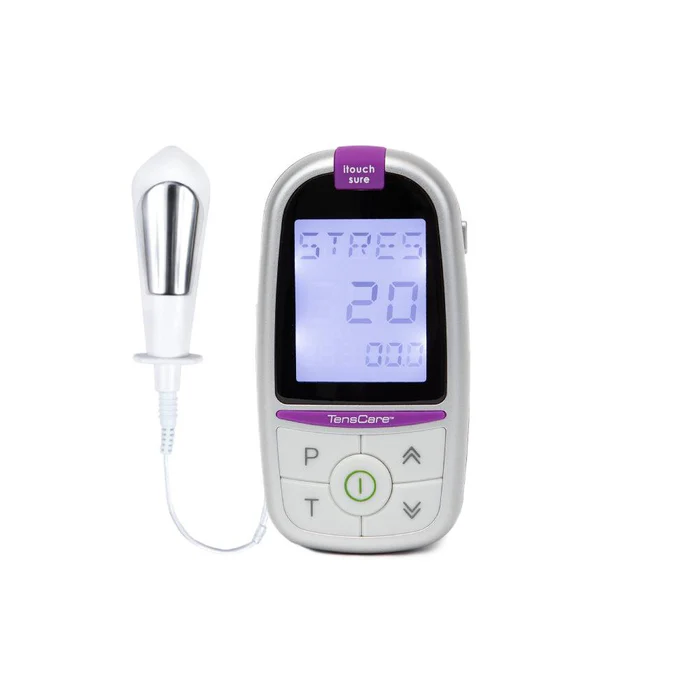
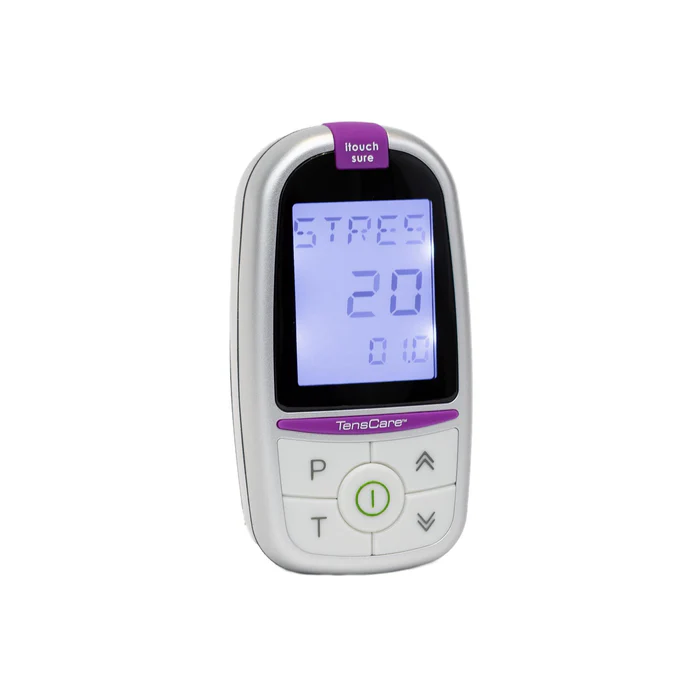
iTouch Sure
Research-documented e-stim with objective pad-weight reduction outcomes
Easy to Use
Moderate
Insertion Required
Yes
Provides Biofeedback
No (stimulation only)
Why we chose this product:
iTouch Sure is designed for women whose stress urinary incontinence hasn’t improved with exercises alone and who have weak or ineffective voluntary contractions. It delivers scheduled electrical stimulation sessions that don’t require active muscle engagement, making it ideal for users who struggle to contract on their own or are unlikely to adhere to exercise routines.
Its effectiveness is supported by research showing measurable improvements in leak reduction, tracked objectively through pad weight assessments. This device offers a passive, structured treatment that helps translate clinical progress into real-life benefits.
Standout features
- Passive electrical stimulation sessions require no active muscle engagement
- Scheduled treatment programs that encourage adherence through structure
- Objective outcome tracking via pad weight reduction measurements
- Suitable for stress urinary incontinence when voluntary contractions are limited or ineffective
8


Apex
Intravaginal electrical stimulation with adjustable programs and conservative-care intent
Easy to Use
Moderate
Insertion Required
Yes
Provides Biofeedback
No (stimulation only)
Why we chose this product:
Apex offers women a flexible, at-home electrical stimulation option when stress urinary incontinence persists despite pelvic floor muscle training and voluntary contractions remain poor. Its adjustable program settings allow users to personalize stimulation intensity for comfort, supporting longer-term adherence.
Designed with conservative-care guidelines in mind, Apex targets women who are appropriate candidates for e-stim and need a structured, symptom-matched approach to supplement or replace self-directed exercises.
Standout features
- Adjustable stimulation programs for personalized comfort and effectiveness
- At-home accessibility suitable for those facing cost or travel barriers to clinic-based care
- Conservative-care intent aligned with clinical guidelines for electrical stimulation use
- Symptom-matched targeting for stress urinary incontinence resistant to voluntary training
- Structured session approach providing adherence support when unsupervised exercise fails
Choosing the Right Trainer
When selecting a pelvic floor trainer, it’s important to consider your specific symptoms and goals. For example, stress urinary incontinence, leaking during coughing, sneezing, or physical activity, typically benefits most from strengthening exercises that improve muscle control and timing.
On the other hand, urgency urinary incontinence, which involves sudden urges and bladder spasms, often requires relaxation techniques and bladder training alongside pelvic floor work.
Because pelvic floor muscles are internal and hard to feel, many people struggle to perform exercises correctly. This lack of feedback is a major reason training fails.
However, another key challenge is that Kegel exercises can feel repetitive and boring, which makes consistent practice difficult. That’s why choosing a trainer with gamified and customizable workouts can be just as important as biofeedback pelvic floor therapy. It helps keep motivation high and makes sticking with the program more enjoyable.
Doing Pelvic Floor Training Correctly
Pelvic floor training often fails because it’s hard to tell if you’re using the right muscles. Biofeedback trainers help by giving real-time feedback, structured daily programs, and tracking progress over 8–12 weeks for real improvement.
The right trainer depends on your needs: biofeedback devices help with technique and consistency; electrical stimulation aids those who can’t contract voluntarily; non-insertive options like kGoal Boost are perfect if you're dealing with pain or discomfort, and hybrid systems combine multiple approaches when you need extra support.
Most people see meaningful improvement within 8-12 weeks of consistent use. The key is matching the device to your symptoms, getting your technique checked by a professional if needed, and giving your body the time it needs to actually adapt and strengthen.
Make the Right Choice
With kGoal showing you in real-time whether you're doing it right, perform exercises that actually work.
References
1. NICE. (2019, April 2). Overview | Urinary incontinence and pelvic organ prolapse in women: management | Guidance | NICE. https://www.nice.org.uk/guidance/ng123
2. Barnes, K. L., Cichowski, S., Komesu, Y. M., Jeppson, P. C., McGuire, B., Ninivaggio, C. S., & Dunivan, G. C. (2020). Home Biofeedback versus Physical Therapy for Stress Urinary Incontinence: A Randomized trial. Female Pelvic Medicine & Reconstructive Surgery, 27(10), 587–594. https://doi.org/10.1097/spv.0000000000000993
3. Weinstein, M. M., Collins, S., Quiroz, L., Anger, J. T., Paraiso, M. F. R., DeLong, J., & Richter, H. E. (2021). Multicenter Randomized Controlled Trial of Pelvic Floor Muscle Training with a Motion-based Digital Therapeutic Device versus Pelvic Floor Muscle Training Alone for Treatment of Stress-predominant Urinary Incontinence. Female Pelvic Medicine & Reconstructive Surgery, 28(1), 1–6. https://doi.org/10.1097/spv.0000000000001052
4. Author: Michelle Kenway Pelvic Floor Physiotherapist. (2022, January 5). 5 simple ways to progress pelvic floor exercises. Pelvic Exercises. https://www.pelvicexercises.com.au/progress-pelvic-floor-exercises/?srsltid=AfmBOopSCUSkTpr7KKcvDHcyELCf8vslB2fdDmPzORJsc9XEdGDlT8EQ
5. CS Medical, LLC. (n.d.). Investigating the link between transvaginal probes and infections due to improper cleaning and disinfection. https://csmedicalllc.com/news/investigating-the-link-between
FAQs
What's the difference between biofeedback and electrical stimulation trainers?
Biofeedback devices show real-time muscle activity to teach voluntary control—best when able to contract but needing technique or consistency help. Electrical stimulation devices activate muscles passively through electrical pulses—best when voluntary contraction is weak or absent. Some devices (like InTone) combine both mechanisms.
How long before seeing results from a pelvic floor trainer?
Most people notice improvements within 8-12 weeks when using devices consistently at recommended doses (at least 8 contractions, 3 times daily). Clinical guidelines recommend evaluating effectiveness after a 3-month trial. Early changes may appear by 6-8 weeks, but best results require sustained practice through the full adaptation period.
Are pelvic floor trainers safe during pregnancy?
Usage depends on individual circumstances. Women should always consult their healthcare provider before starting any pelvic floor training device during pregnancy. Some external devices (like kGoal Boost) may be options with medical approval.
Which trainer is best for prolapse symptoms?
Pelvic floor muscle training can help early-stage prolapse (stages I-III), but device selection should be individualized with professional fitting. Internal devices may increase pressure or bulge symptoms depending on prolapse severity. External trainers (like kGoal Boost) or supervised physical therapy often work better for moderate symptoms.
Can you do too many Kegels with a trainer?
Yes—overtraining causes soreness, increased urgency, or pain. Follow recommended doses (typically 8+ contractions, 3 times daily) and evaluate at 8-12 weeks before increasing. If symptoms worsen, reduce intensity or consult a pelvic floor physical therapist—some people need relaxation work rather than more strengthening.