What Are Kegel Exercises? Pelvic Floor 101
Kegel exercises strengthen your pelvic floor muscles, treating urinary incontinence, improving sexual function, and preventing prolapse. The challenge is doing the exercises correctly and consistently. This guide shows you how to find your pelvic floor, perform Kegels correctly, avoid common mistakes, and see results.




Updated January 25, 2026
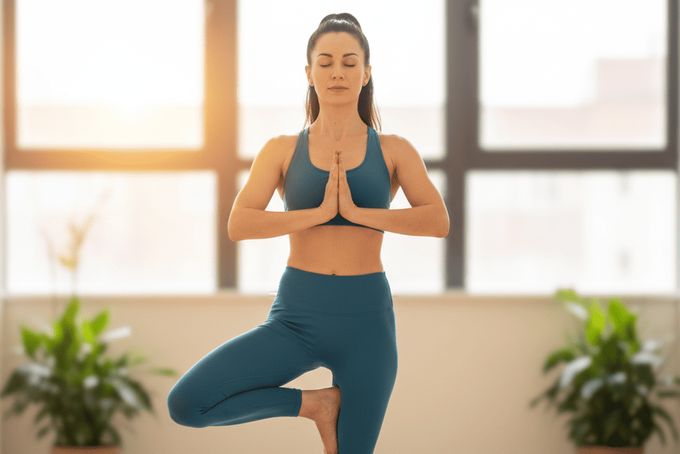
If you leak urine when you cough, sneeze, or exercise, your pelvic floor muscles might need strengthening. Kegel exercises target these muscles, but here's the problem—they're incredibly boring to do consistently, and without feedback, it's hard to tell if they're working or if you're doing them correctly.
Kegel exercises work when done correctly. The challenge isn't just learning the right form. It's staying motivated through weeks of invisible progress and knowing whether your effort is actually paying off. Without being able to measure your muscle function, you're exercising blind.
This guide shows you exactly how to find your pelvic floor muscles, perform Kegels correctly, and track real progress.

Perfect Your Technique From Day One
kGoal shows you exactly when you're engaging the right muscles.
What Are Common Pelvic Floor Problems?
Do you ever leak a little urine when you cough, sneeze, or jump? Experience pain during sex? Feel heaviness in your pelvis or lower back during daily movements like getting out of bed or walking? If yes, these issues may be caused by pelvic floor dysfunction.
Common pelvic floor issues include:
- Urinary leakage and bladder control problems
- Chronic bladder infections or prostate issues
- Pelvic pain
- Painful or unsatisfying sex
- Erectile dysfunction or ejaculation problems (men)
- Pelvic muscle weakness or tension
Many people don't realize they can get help for these issues, thinking their problems are just part of life after childbirth, prostate surgery, or getting older. But, they're not inevitable at all.
And despite what you might think, these aren't just "old age" problems. In the US, studies show more than 6% of 20-year-old women and 14% of 30-something women have at least one pelvic floor disorder [1].
Men across all ages deal with premature ejaculation, ED, and urinary incontinence, especially after age 40 or prostate procedures. High-impact sports, chronic smoking, and obesity also increase your risk.
Risk Factors for Pelvic Floor Weakness
Certain life events and habits can put extra stress on your pelvic floor. Knowing your risk factors helps you act early, before small issues turn into bigger problems.
- For everyone, aging naturally weakens muscles throughout the body, including your pelvic floor. Carrying extra weight puts constant downward pressure on these muscles, making them work harder every single day
- If you have a chronic cough from asthma, COPD, or smoking, you're repeatedly straining your pelvic floor. The same goes for chronic constipation; all that straining adds up
- If you're a woman, pregnancy and vaginal delivery are another one of the biggest factors; your pelvic floor stretches (and sometimes tears) during childbirth [2]. Menopause also plays a role, since dropping estrogen levels weakens pelvic tissues over time
- For men, prostate surgery is a major risk. Prostatectomy can damage the muscles and nerves that control your bladder, leading to leaking that may be temporary or stick around longer
- Your job or hobbies matter too. If you regularly lift heavy objects, you're increasing pressure on your pelvic floor. High-impact activities like running, jumping, or intense sports can stress these muscles, especially if your core isn't strong enough to help share the load
Now, if several of these apply to you, strengthening your pelvic floor becomes even more important. Think of it as preventive maintenance; you're protecting yourself now so you can avoid problems down the road.
What Are Kegel Exercises?
Kegel exercises are simple muscle contractions that strengthen your pelvic floor; the hammock-like group of muscles supporting your bladder, bowel, and reproductive organs.
Think of it like this: when you squeeze to stop yourself from passing gas or hold in urine, you're using your pelvic floor. Kegel exercises involve repeatedly tightening and relaxing these same muscles to build strength over time.
Dr. Arnold Kegel developed these exercises in the 1940s as a non-surgical way to treat urinary incontinence. Decades of research since then confirm they work for both women and men. When done correctly, they significantly reduce leaking, improve sexual function, and support overall pelvic health [1].
The best part is that you can do Kegels while sitting at your desk, lying in bed, or standing in line at the grocery store. Nobody can tell you're exercising. They take 5-10 minutes daily and require zero equipment, though devices that provide real-time biofeedback can help ensure you're engaging the right muscles from the start [3].
Biofeedback devices also help you measure and quantify your pelvic floor muscle function, so you can see actual progress over time instead of guessing. They can make the experience far less boring through gamification and interactive workouts, which makes it easier to stick with your routine consistently.
These devices enable more sophisticated and personalized exercise protocols tailored to your specific needs, support Down Training for overly tight pelvic floors, and help you incorporate functional pelvic floor exercises that translate to real-world movements.
What Exactly Is The Pelvic Floor?
Your pelvic floor is the base of your pelvis, but it's shaped more like a hammock than a flat floor. This "hammock" is made of muscles, ligaments, and tissue that stretch across the bottom of your pelvis, supporting your bladder, bowel, and reproductive organs (uterus in women, prostate in men) [4]. It's hidden from view but doing important work 24/7.
Now, the special part of the pelvic floor, compared to your heart or lungs, is that you can consciously control these muscles. That means you can train them, just like your arms or abs. When they're strong, they keep everything where it should be and working properly.
Your pelvic floor muscles control the openings of your urethra and anus, which is why they matter so much for everyday life. When you sneeze, laugh, or jump, strong muscles prevent leaks. When they're weak, you might notice urinary incontinence creeping into activities you used to do without thinking twice.
These same muscles directly impact sexual function. For women, stronger pelvic floor muscles improve sensation, arousal, and orgasm quality. For men, they support erectile function, ejaculation control, and sexual stamina.
The flip side matters too; overly tight pelvic floor muscles can cause pain during sex or more generally for anyone, which is why balance is more important than just "strength."
Beyond bladder control and sexual health, your pelvic floor provides structural support you don't think about until something goes wrong. These muscles hold up your bladder, bowel, and reproductive organs against gravity and pressure. Without that support, organs can drop (prolapse).
They're also part of your core, working alongside your abs and back muscles to stabilize your pelvis, support your spine, and protect your lower back. They even help pump blood back toward your heart.
For women, the pelvic floor supports a growing baby during pregnancy and assists in childbirth, which is why postpartum rehabilitation becomes so important for recovery. For men, a strong pelvic floor leads to better sex, helps manage prostate-related issues like BPH, and is essential for recovery after prostatectomy.
All of this only works when your pelvic floor is functioning properly. When it's not, you may experience problems that significantly affect your quality of life, which is exactly why learning to strengthen (or sometimes relax) these muscles matters.

The Benefits of Kegel Exercises
Kegel exercises offer proven benefits when practiced consistently with proper technique [5]:
- Urinary Incontinence Prevention and Treatment: Urinary incontinence affects 25-45% of women and 11-34% of men [6]. Consistent Kegel exercises significantly reduce leaking episodes
- Fecal Incontinence Improvement: Strengthening your pelvic floor improves bowel control and reduces accidental leakage
- Pelvic Organ Prolapse Prevention: Regular pelvic floor exercises maintain the structural support that keeps organs in proper position, reducing prolapse risk as you age
- Enhanced Sexual Function: For women, stronger muscles improve vaginal tone, sensation, arousal, and orgasm intensity. For men, these exercises support erectile function, ejaculatory control, and help manage premature ejaculation
- Faster Postpartum Recovery: Prenatal Kegel exercises can ease delivery and prevent postpartum incontinence, while postnatal exercises accelerate pelvic floor rehabilitation
- Prostate Health Support: For men recovering from prostatectomy or managing prostate conditions, pelvic floor exercises significantly improve urinary control and sexual function recovery

How to Do Kegel Exercises Correctly
The first step to doing Kegels correctly will be to find your pelvic floor muscles and identify which area of your body you will be focusing on.
How to Find Your Pelvic Floor Muscles
Here are three simple ways to find your pelvic floor muscles:
- Stop Urination Test: When urinating, try to stop the flow mid-stream. The muscles you engage are your pelvic floor muscles. Use this method only once for identification; regularly stopping urination can disrupt bladder function
- Prevent Gas Test: Tighten the muscles you'd use to prevent passing gas. You should feel a squeezing and lifting sensation around your anus. This method works equally well for women and men
- Insertion Test: For women, insert a clean, lubricated finger about 2 inches into your vagina and squeeze; you should feel the walls tighten and lift upward, not push down. For men, insert a clean, lubricated finger about 2 inches into your rectum and squeeze as if preventing gas; you should feel tightening and lifting, not bearing down
If you can't identify your pelvic floor muscles or feel pain during these tests, consult a pelvic floor physical therapist for hands-on guidance. Now, let's go over the simple steps to try out Kegels properly:
Step 1: Find a Comfortable Position
Start in a position that feels most comfortable for you to focus on the correct muscles:
- Lying Down: Lie on your back with knees bent and feet flat. Many beginners find this position easiest to learn proper technique
- Sitting: Sit upright in a chair with feet flat on the floor, knees hip-width apart. Convenient for practice throughout the day at your desk or during meals
- Standing: Stand with feet shoulder-width apart. Some people prefer this position once they've mastered the basic technique
Choose whichever position helps you best isolate and engage your pelvic floor muscles. You can also vary positions throughout the day to keep your practice interesting.
Step 2: Isolate the Pelvic Floor Muscles
Contract only your pelvic floor muscles. Don't tighten your abdomen, buttocks, or thighs. Place one hand on your belly to ensure your abdominal muscles stay relaxed. Breathe normally throughout, don't hold your breath.
Step 3: Squeeze and Lift
Tighten and draw in the muscles around your anus and urethra (and vagina for women) at the same time. Focus on a squeezing and lifting sensation, as if you're pulling these muscles up into your pelvis. The movement is internal; nothing external should visibly tense.
Step 4: Hold the Contraction
Hold the squeeze for 3-5 seconds while breathing normally. If you can't hold for 3 seconds initially, hold for whatever you can manage and gradually build endurance.
Step 5: Relax Completely
Release the contraction and relax your pelvic floor muscles for 3-5 seconds. Complete relaxation between repetitions is essential; muscles need recovery time to build strength effectively.
Step 6: Repeat
A common starting protocol is to complete 10 repetitions per set, performing three sets daily (morning, afternoon, and evening). However, this is just one approach. Like any exercise routine, varying your protocol helps build comprehensive strength and prevents plateaus.
You might do longer holds some days, quick flicks on others, or combine both in a single session. The key is consistency and progression over time, not sticking to the exact same routine forever.
Fast vs. Slow Kegel Contractions
For comprehensive pelvic floor conditioning, incorporate both contraction types:
- Slow-Hold Kegels: Build endurance strength for sustained bladder control. Hold for 5-10 seconds, relax for 5-10 seconds
- Quick-Flick Kegels: Train muscles for sudden pressure during coughing, sneezing, or jumping. Perform rapid 1-second contractions with 1-second relaxation between each. Complete 5-10 quick repetitions
Combine both types in each practice session: start with 10 slow-hold Kegels, then finish with 10 quick-flick Kegels.
Common Mistakes to Avoid When Doing Kegels
Research shows 30% of people perform Kegel exercises incorrectly without proper instruction [7].
- Pushing Down Instead of Lifting Up: You should feel an upward and inward squeeze, not outward pressure. Pushing down can worsen prolapse or incontinence
- Holding Your Breath: Breathe normally through each squeeze. Holding your breath creates abdominal pressure that works against the pelvic floor lift
- Tensing the Wrong Muscles: Keep your buttocks, thighs, and abdomen relaxed. Place your hands on your belly to check—it shouldn't move
- Squeezing Too Hard: Use moderate strength (50-70% of maximum effort). Going all-out can tire muscles and cause cramping
- Skipping Days: Daily consistency builds strength. Set reminders on your phone, use a kGoal trainer, or link your practice to habits you already do, like brushing your teeth or having your morning coffee
- Practicing While Urinating: Only use the urine stop test once or twice to find the muscles. Regular mid-stream stopping can disrupt bladder function
- Not Relaxing Between Squeezes: Complete relaxation between reps is essential for muscle recovery and strength building
- Ignoring Pain: If you feel pain during Kegel exercises, stop and consult a pelvic floor physical therapist. Pain may indicate you need a different approach, such as Down Training for overly tight pelvic floor muscles (which devices like kGoal Boost can support), or an underlying issue that needs professional help
When to Expect Results After Doing Kegels
It's only natural to start wondering if Kegels work. Most people notice improvements within 6-8 weeks of consistent daily practice, according to clinical research [8].
Your timeline depends on how weak your muscles are, how consistently you practice, whether you're doing them correctly, and your individual muscle response.
Here's what to expect when Kegels work for men and women:
- Weeks 1-2: You'll get better at finding and contracting your pelvic floor muscles on command
- Weeks 3-4: You may notice a slight reduction in leaking or improved sensation during sex
- Weeks 6-8: Significant improvement in bladder control during daily activities
- Weeks 12-16: Maximum benefits achieved. Many people see a dramatic reduction in incontinence and better sexual function
Important: You need to keep doing Kegels long-term. Pelvic floor strength fades if you stop. Once you reach your goals, maintain your results with 10 repetitions, 3 times daily as an ongoing routine.
If you see no improvement after 8 weeks of correct, consistent practice, talk to a healthcare provider. Some conditions need additional treatment beyond exercises alone.

Keeping Your Pelvic Floor Healthy
The question of how to keep your pelvic floor healthy is a big topic. Different modalities of pelvic floor exercise, often with biofeedback (either strengthening of weak muscles or pelvic floor down-training of overactive/high tone muscles), are one of the main weapons in the arsenal, but there are other options too, many of which we will touch on in future posts.
For now, if you suspect you have a pelvic floor disorder, see a pelvic floor physical therapist. They can assess what's actually going on with your body and create a plan that works for you, whether that's PT sessions, exercises, lifestyle changes, or a combination.
Train Your Pelvic Floor the Smart Way
Build better bladder control and pelvic health with guided biofeedback training designed for men.
References
Huang, Y., & Chang, K. (2023, May 1). Kegel exercises. StatPearls - NCBI Bookshelf. https://www.ncbi.nlm.nih.gov/books/NBK555898/
Memon, H. U., & Handa, V. L. (2013). Vaginal childbirth and pelvic floor disorders. Women S Health, 9(3), 265–277. https://doi.org/10.2217/whe.13.17
How to squeeze in kegels all day long. (n.d.). Mayo Clinic. https://www.mayoclinic.org/healthy-lifestyle/womens-health/in-depth/kegel-exercises/art-20045283
Brandão, A. C., & Ianez, P. (2013). MR imaging of the pelvic floor. Magnetic Resonance Imaging Clinics of North America, 21(2), 427–445. https://doi.org/10.1016/j.mric.2013.01.007
Professional, C. C. M. (2025, November 18). Kegel exercises. Cleveland Clinic. https://my.clevelandclinic.org/health/articles/14611-kegel-exercises
Leslie, S. W., Tran, L. N., & Puckett, Y. (2024, August 11). Urinary incontinence. StatPearls - NCBI Bookshelf. https://www.ncbi.nlm.nih.gov/books/NBK559095/
LOANE, K. H. (n.d.). A STUDY OF SOME OF THE PSYCHOLOGICAL ISSUES AFFECTING WOMEN UNDERGOING TREATMENT FOR URINARY INCONTINENCE. University of Birminham. https://etheses.bham.ac.uk/id/eprint/2923/1/Loane11MD.pdf
Cross, D., Waheed, N., Krake, M., & Gahreman, D. (2022). Effectiveness of supervised Kegel exercises using bio-feedback versus unsupervised Kegel exercises on stress urinary incontinence: a quasi-experimental study. International Urogynecology Journal, 34(4), 913–920. https://doi.org/10.1007/s00192-022-05281-8
Raddaha, A. H. A., & Nasr, E. H. (2022). Kegel Exercise Training Program among Women with Urinary Incontinence. Healthcare, 10(12), 2359. https://doi.org/10.3390/healthcare10122359
Disclaimer: This article is for informational purposes only and is not intended as medical advice. Always consult a qualified healthcare provider before starting any new treatment or if you experience persistent bladder symptoms.
FAQs
How long does it take for Kegel exercises to work?
Most people notice initial improvements within 6-8 weeks of consistent daily practice. Maximum benefits typically appear after 12-16 weeks. Results depend on the severity of weakness, consistency of exercise (3 sets of 10 repetitions daily), and proper technique.
Can you do Kegel exercises wrong?
Yes. Research shows 30-50% of people perform Kegels incorrectly without instruction. Common errors include bearing down instead of lifting, holding your breath, or squeezing buttocks/thighs instead of isolating pelvic floor muscles. Use the finger insertion test to verify correct muscles tighten inward, or consult a pelvic floor physical therapist for guidance.
How many Kegel exercises should I do per day?
Perform 10 repetitions, 3 times daily (30 total daily repetitions). Each repetition involves holding the contraction for 5-10 seconds and relaxing for 5-10 seconds. This takes approximately 5-10 minutes total throughout your day.
Can Kegel exercises be harmful?
When done correctly, Kegel exercises are safe for most people. However, exercising with incorrect technique—particularly bearing down instead of lifting—can worsen prolapse. If you have an overactive (high-tone) pelvic floor causing pain, strengthening exercises may increase symptoms. In that case, relaxation techniques are needed instead.
Can men do Kegel exercises?
Absolutely. Men benefit significantly from Kegel exercises, particularly for urinary incontinence after prostatectomy, erectile dysfunction, premature ejaculation, and prostate health maintenance. The technique is the same: squeeze and lift the muscles that prevent gas or stop urination.
Can I do Kegel exercises while pregnant?
Yes. Prenatal Kegel exercises strengthen pelvic floor muscles to better support the growing uterus, potentially ease delivery, and prevent postpartum incontinence. Unless your healthcare provider advises against exercise, Kegels are safe and beneficial throughout pregnancy.
Will Kegel exercises improve my sex life?
Stronger pelvic floor muscles improve sexual function for both women and men. Women often experience increased vaginal sensation, arousal, and orgasm intensity. Men may see improved erectile function, ejaculatory control, and sexual stamina. Benefits typically become noticeable after 6-8 weeks of consistent practice.