Giggle Incontinence: 5 Proven Ways to Stop Leaks When You Laugh
Giggle incontinence causes sudden bladder emptying during laughter due to a reflex that relaxes the pelvic floor. It differs from stress incontinence. Treatments can include pelvic floor training, biofeedback and behavioral strategies.




Updated January 23, 2026

If laughing causes you to leak urine, you may have giggle incontinence. This isn’t just about weak pelvic floor muscles—when you laugh, a reflex in your brain suddenly relaxes the muscles that control your bladder, causing unexpected leaks. This condition affects both men and women of all ages, though it’s most common in children.
The good news is that giggle incontinence is treatable. In this guide, we'll go over five proven methods that tackle both the muscle weakness and the brain reflex behind the leaks. With the right approach, you can regain control and enjoy laughing freely without worry.
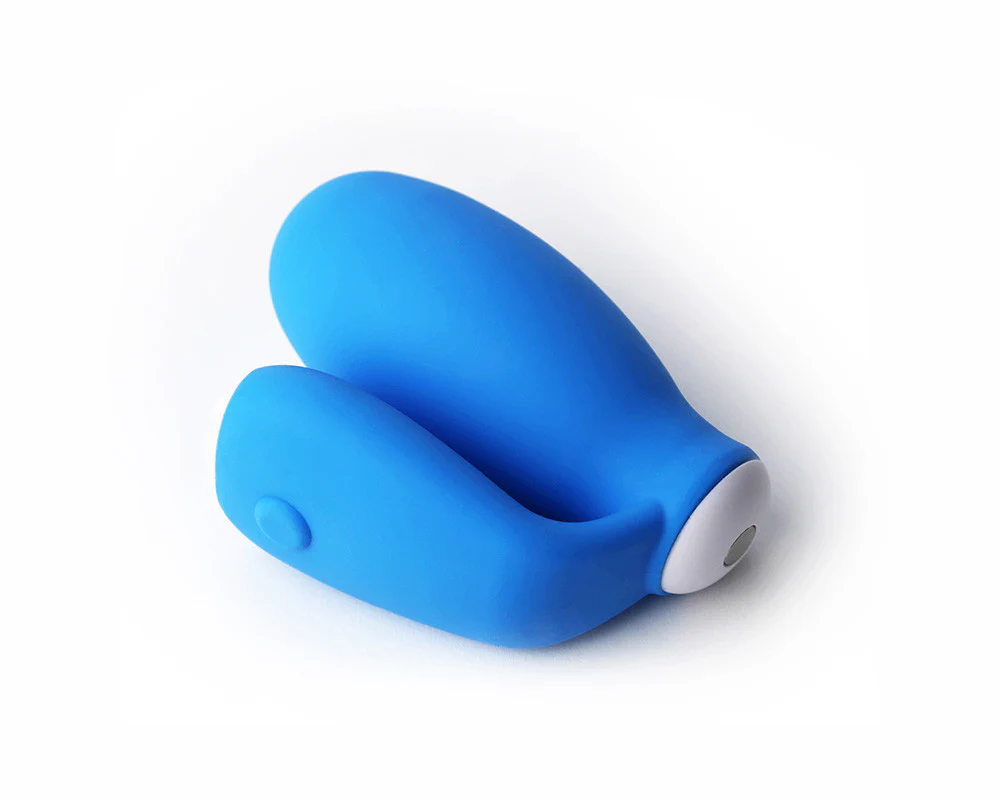
Regain Control When You Laugh
Strengthen your pelvic floor with kGoal’s guided biofeedback so you learn to contract the right muscles and reduce giggle leaks.
What is Giggle Incontinence?
Giggle incontinence happens when laughter triggers a reflex in your brainstem that suddenly relaxes your pelvic floor muscles. Normally, these muscles contract automatically when belly pressure rises during laughter.
In giggle incontinence, however, the reflex does the opposite; it switches off bladder control completely, causing your bladder to empty all at once [1].
What Causes Loss of Bladder Control During Laughter?
- Intense emotions trigger a brainstem response that temporarily shuts down voluntary muscle control, causing complete bladder emptying [2]
- Laughter causes your body's relaxation system to surge, forcing involuntary bladder contraction and sphincter relaxation [3]
- Studies show 95% of people with giggle incontinence also have daytime urgency and frequency from an overactive bladder [4]
- Laughter reflexively shuts down the external muscle that keeps your urethra closed
Who Gets Giggle Incontinence?
Giggle incontinence is most common in kids aged 7-14, though many women and men report it persisting into adulthood. Key risk factors include having an overactive bladder, family history of the condition, ADHD (found in 23% of cases), and previous pelvic floor weakness [5].
Early signs include occasional dribbling or urgency with excitement, frequent bathroom trips, or occasional urge leaks.
5 Proven Methods to Stop Leaks When You Laugh
Method 1: Pelvic Floor Exercises (Kegels)
Kegel exercises strengthen the muscles at the base of your pelvis that support your bladder and control your urethra.
You repeatedly squeeze and relax these muscles—like you're trying to stop the flow of urine or hold in gas. This builds strength so your muscles can clamp down firmly when belly pressure rises during laughter.
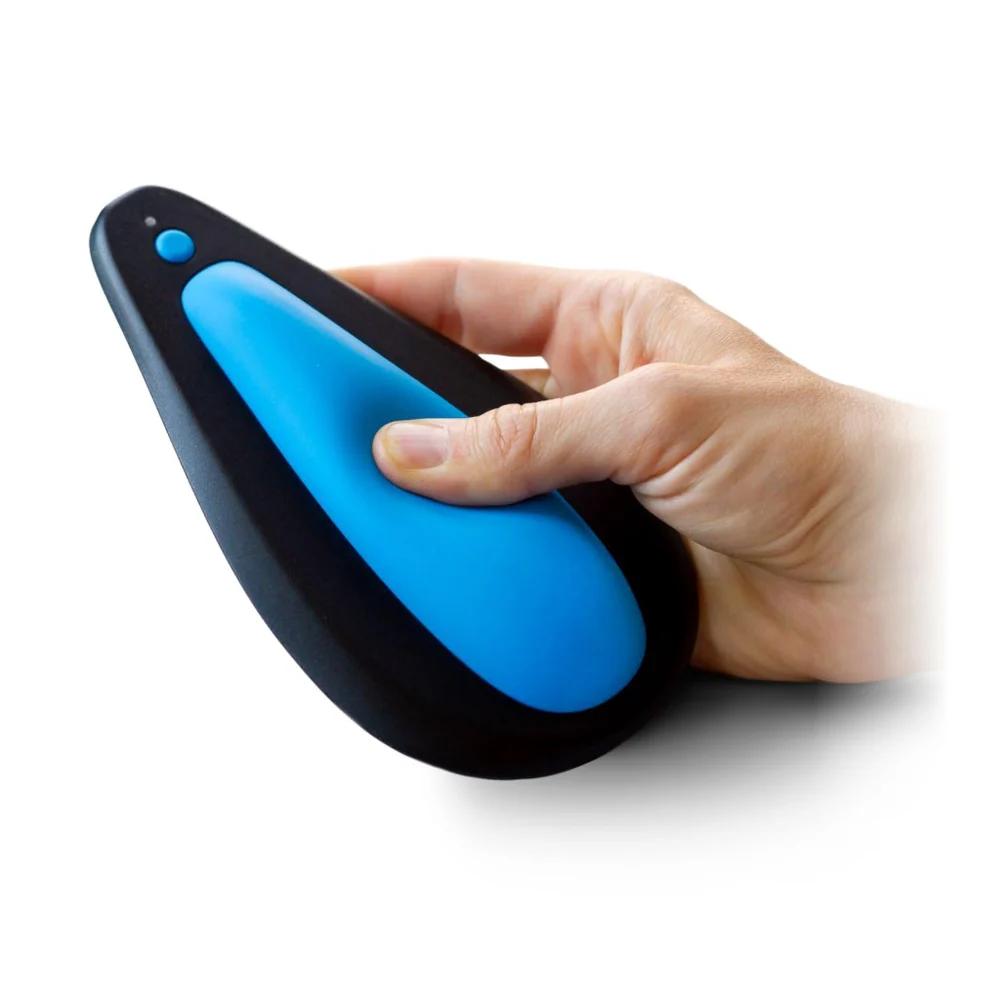
If you're not sure whether you're doing them correctly, devices like kGoal give you real-time biofeedback through sensors. kGoal Classic pelvic floor trainer is an internal option, and kGoal Boost is an external sit-on-top trainer for women.
The kGoal Boost is an external device for men that provides the same external biofeedback.
Studies show pelvic floor training makes you 8 times more likely to improve compared to doing nothing [6].
Benefits of Pelvic Floor Exercises
- Strengthens the muscles that control your urethra
- Builds automatic responses to pressure surges
- Can be done anywhere, anytime, without equipment
- Works for both women and men
- Improves bladder control within 4-6 weeks
- Improves bowel control
- Enhances sexual function for adults
Who Should Avoid Pelvic Floor Exercises?
You can skip this if you can't locate the correct muscles due to nerve injury.
Keep in mind that the incorrect technique can worsen symptoms. You should consider working with a pelvic floor physical therapist or using a biofeedback device to learn the proper form.
Method 2: Electrical Stimulation
Electrical stimulation uses mild electrical currents through a small probe (vaginal for women, rectal for men) or external pads to make your pelvic floor muscles contract automatically.
The gentle pulses trigger both slow-twitch muscles (for endurance) and fast-twitch muscles (for quick responses), improving overall tone. This is especially helpful if you struggle to squeeze your pelvic floor voluntarily.
Studies show that adding electrical stimulation to pelvic floor training can improve quality of life and reduce leakage in both women and men [7].
Benefits of Electrical Stimulation
- Automatically recruits pelvic floor muscles
- Strengthens both endurance and quick-response fibers
- Helps if you can't generate strong voluntary squeezes
- Shows results within 6-8 weeks
- Improves body awareness of the pelvic floor
- Works for both men and women
Who Should Avoid Electrical Stimulation?
You shouldn't use this method if you have a pacemaker or an implanted defibrillator, are pregnant, or have pelvic cancer or active infections. Some find the sensation uncomfortable or experience skin irritation.
Method 3: Vaginal Support Devices (Women Only)
Vaginal cones are weighted inserts you hold in place by squeezing your pelvic floor—the weight provides resistance training. Pessaries are firm rings or plugs that sit under your urethra, physically lifting and supporting it.
When belly pressure rises during laughter, the pessary prevents your urethra from shifting downward. Studies show 76% of women report becoming continent after pessary fitting [8].
Benefits of Vaginal Support Devices
- Cones provide progressive resistance training
- Pessaries offer immediate mechanical support
- No active effort needed with pessaries
- Cones build strength over 8-12 weeks
- Pessaries work instantly
Who should avoid Vaginal Support Devices?
These may not be the right tool if you have vaginal thinning and dryness (may need estrogen therapy first), active pelvic infections, or find insertion uncomfortable. Pessaries require regular check-ups every 3-6 months.

Method 4: The "Knack" Technique (Pelvic Floor Pre-Activation)
The "Knack" is a simple timing trick—you squeeze your pelvic floor muscles just before or as you start laughing. By pre-activating these muscles at exactly the right moment, you physically increase the pressure closing your urethra, which counteracts the brain reflex trying to relax everything.
The key is anticipation—if you feel laughter coming, you contract quickly and hold through the laugh. This method works equally well for men and women.
Benefits of the "Knack" Technique
- Provides immediate control in the moment
- Can be used anywhere without equipment
- Reinforces pelvic floor awareness
- Helps with sneezing and coughing, too
- Builds confidence about laughing in public
- Works for both men and women
Who Should Avoid the "Knack" Technique?
This method requires good timing and body awareness. It's harder for younger children or anyone with developmental delays. It also won't help if your pelvic floor muscles are very weak or if laughter hits unexpectedly.
Another downside is that the "Knack" technique works best for partial leaks and not complete bladder emptying.
Method 5: Behavioral and Lifestyle Modifications
Simple habit changes can also reduce leaks significantly:
- Bladder training involves bathroom trips on a set schedule, gradually extending the time between visits
- Losing 5-10% of body weight reduces pressure on your bladder
- Cutting back on caffeine and alcohol decreases bladder irritation
- Staying hydrated on a regular schedule keeps pressure stable
These changes work for both men and women and work best when combined with pelvic floor exercises.
Benefits of Behavioral and Lifestyle Modifications
- Increases bladder capacity
- Reduces urgency and frequency
- Weight loss lightens pelvic floor pressure
- Improvements appear within 4-8 weeks
- Benefits overall health
- Works equally well for men and women
Who should avoid these Behavioral and lifestyle modifications?
These are not practical if you have mobility issues, making timed trips difficult, chronic bladder retention (delaying trips might cause overflow), or cognitive impairment preventing strict scheduling. It also requires discipline and consistency to see benefits.
When to See a Pelvic Floor Physical Therapist
While these seven methods work for many people, some situations need professional guidance. You should consider seeing a pelvic floor physical therapist if:
- You've tried exercises for 8-12 weeks without improvement
- Can't locate your pelvic floor muscles or experience pain during exercise
- Have both giggle incontinence and other bladder symptoms
- Need help determining if you need strengthening, relaxation, or both
A pelvic floor physical therapist can assess your specific muscle function, identify whether giggle incontinence is part of a larger overactive bladder issue, and create a customized treatment plan.
They’ll often use clinical tools to help you learn the correct technique and may recommend certain tools like kGoal's biofeedback devices for at-home pelvic floor training to continue practicing between sessions.
Many people work with a therapist initially to learn proper form, then maintain progress at home with exercises and biofeedback devices.
Expert Note: Children or teens need age-appropriate guidance and must speak to a pelvic floor physical therapist or health care professional before trying any of the above methods to help with giggle incontinence.
Moving Forward to Laughing Freely
Giggle incontinence is treatable when you address both the muscle weakness and the brain reflex causing it. Most people see meaningful improvement within 8-12 weeks of consistent pelvic floor training, especially when combined with behavioral strategies.
Start with Kegel exercises using biofeedback to ensure correct technique, add the "Knack" pre-activation for immediate control, and consider working with a physical therapist if symptoms persist.
Remember that giggle incontinence often happens alongside overactive bladder symptoms. Treating the underlying bladder overactivity through timed bathroom trips and pelvic floor coordination usually resolves the giggle leaks, too.
Have Leak-Free Laughter
Use kGoal’s biofeedback to master proper Kegels, improve bladder control, and reduce giggle leaks with steady training.
References
Abdelmonem, I. I., Khan, M. K., Muhammadi, O. a. A., Rozan, A., Merdad, M. J., & Baesia, M. K. (2022). Giggle incontinence: A rare condition with a successful management. Urology Case Reports, 42, 102033. https://doi.org/10.1016/j.eucr.2022.102033
Neurogenic bladder. (2025, September 4). Cleveland Clinic. https://my.clevelandclinic.org/health/diseases/15133-neurogenic-bladder
Urge incontinence. (2025, November 13). Cleveland Clinic. https://my.clevelandclinic.org/health/diseases/22161-urge-incontinence
Fernandes, L., Martin, D., & Hum, S. (2018, June 1). A case of the giggles: Diagnosis and management of giggle incontinence. https://pmc.ncbi.nlm.nih.gov/articles/PMC5999241/
González-Maldonado, A. A., & García-Mérida, M. (2024). Giggle incontinence: a scoping review. Pediatric Research, 95(7), 1720–1725. https://doi.org/10.1038/s41390-024-03065-y
Dumoulin, C., Cacciari, L. P., & Hay-Smith, E. J. C. (2018). Pelvic floor muscle training versus no treatment, or inactive control treatments, for urinary incontinence in women. Cochrane Database of Systematic Reviews, 2018(10). https://doi.org/10.1002/14651858.cd005654.pub4
Piao, J., Shin, D., Moon, M., Kim, S., & Bae, W. (2024). Effectiveness of Electrical Stimulation Combined with Pelvic Floor Muscle Training on Female Sexual Dysfunction with Overactive Bladder: A Randomized Controlled Clinical Trial. Journal of Personalized Medicine, 14(9), 938. https://doi.org/10.3390/jpm14090938
Bugge, C., Adams, E. J., Gopinath, D., Stewart, F., Dembinsky, M., Sobiesuo, P., & Kearney, R. (2020). Pessaries (mechanical devices) for managing pelvic organ prolapse in women. Cochrane Database of Systematic Reviews, 2021(3), CD004010. https://doi.org/10.1002/14651858.cd004010.pub4
Ford, A. A., Rogerson, L., Cody, J. D., Aluko, P., & Ogah, J. A. (2017). Mid-urethral sling operations for stress urinary incontinence in women. Cochrane Database of Systematic Reviews, 2017(7), CD006375. https://doi.org/10.1002/14651858.cd006375.pub4
Disclaimer: This article is for informational purposes only and is not intended as medical advice. Always consult a qualified healthcare provider before starting any new treatment or if you experience persistent bladder symptoms.
FAQs
Why do I pee when I laugh?
Laughter triggers a brain reflex that suddenly relaxes your pelvic floor muscles, releasing bladder control. In giggle incontinence, a brainstem reflex acts like an "off switch" for bladder control during intense laughter, causing sudden complete emptying even when you had full control moments before.
Is giggle incontinence normal?
While it's common (especially in girls aged 7-14), it's not something you have to accept. About 95% of people with giggle incontinence also have daytime urgency or frequency. Most cases respond well to pelvic floor training combined with bladder retraining within 8-12 weeks.
Will I outgrow giggle incontinence?
Many children and teens do outgrow it as nerve control matures, but some women report it persisting into adulthood. Early treatment with pelvic floor training and behavioral modifications significantly improves outcomes and may prevent persistence into adulthood.
Can giggle incontinence be cured?
Yes, most cases can be significantly improved or resolved through pelvic floor training, behavioral modifications, and sometimes medication. Studies show that treating underlying overactive bladder symptoms stops giggle leaks in nearly all cases, with 8 times higher cure rates than no treatment.
How is giggle incontinence different from stress incontinence?
Stress incontinence causes small leaks during coughs or sneezes due to chronically weak pelvic floor muscles. Giggle incontinence causes sudden, complete bladder emptying during laughter due to a brain reflex that temporarily shuts down bladder control.