Can a Weak Pelvic Floor Cause Heavy Periods? Myths vs. Facts
A weak pelvic floor doesn't cause heavy periods, but the two conditions often overlap and affect each other in ways that confuse many women. This post separates the myths from the facts and explains when each issue needs its own attention.




Published June 9, 2026

If you have heavy periods and pelvic floor symptoms, it's easy to assume one is causing the other. Many women do. But the relationship between a weak pelvic floor and heavy periods is more complicated than it looks, and getting it wrong can mean you're treating the wrong thing.
The short answer that a weak pelvic floor cannot directly cause heavy periods. This is a common pelvic floor myth, but that doesn't mean the two are unrelated.
Does the Pelvic Floor Control Menstrual Flow?
No, it does not. Your uterus controls menstrual flow, not your pelvic floor. During menstruation, the uterine muscles contract to shed the uterine lining, and blood exits through the cervix and out of the vagina [1].
The pelvic floor muscles surround the vaginal opening and support the pelvic organs, but they have no role in holding in or releasing menstrual blood.
Menstrual flow is regulated by hormones like estrogen and progesterone, the thickness of the uterine lining, and prostaglandins that drive uterine contractions. The pelvic floor simply does not factor into that process.
Why do the Pelvic Floor and Menstrual Flow Feel Connected
Even though a weak pelvic floor cannot directly increase menstrual blood flow, the two conditions can absolutely affect each other in ways that feel very linked [2]:
- During menstruation, hormonal shifts can worsen existing pelvic floor symptoms like pelvic organ prolapse.
- Estrogen receptors are found in high concentrations in pelvic floor and urogenital tissues, so as estrogen drops before and during a period, muscle tone, tissue elasticity, and blood flow are all affected.
This can intensify feelings of heaviness, looseness, or urgency without any actual change in blood volume.
At the same time, heavy bleeding can increase intra-abdominal pressure, drive muscle guarding from pain, and cause constipation and straining, all of which can aggravate pelvic floor dysfunction. So while neither condition directly causes the other, they can absolutely make each other feel worse.
Support Your Pelvic Health

Debunking Pelvic Floor and Menstrual Flow Myths
Myth | Fact |
|---|---|
A weak pelvic floor lets blood flow out faster. | Menstrual bleeding is driven by uterine contractions and the shedding of your uterine lining, not by pelvic floor strength. The pelvic floor surrounds the vaginal opening, but cannot control blood flow like a tap. |
Feeling "loose" before my period means my pelvic floor is damaged. | That sensation is usually hormonal. As estrogen drops before and during menstruation, muscle tone and tissue elasticity naturally change. If the feeling only happens around your period and resolves afterward, it's more likely cycle-related than a sign of true pelvic floor weakness [2]. |
Doing Kegels will make my period lighter. | Kegels can improve urinary leakage and pelvic support, but they don't reduce uterine bleeding. What exercise can help with menstrual pain? Research shows that physical exercise may be effective in reducing pain if you have primary dysmenorrhea [3]. |
The heaviness I feel must be pelvic floor weakness. | Pelvic heaviness during a period is often caused by inflammation, bloating, water retention, or uterine enlargement. A weak pelvic floor may contribute, but it's only one possible explanation. |
Heavy periods caused my pelvic floor weakness. | Heavy bleeding alone doesn't directly weaken your pelvic floor muscles. However, chronic pain, muscle guarding, constipation, and repeated straining during menstruation can aggravate symptoms and contribute to dysfunction over time [4]. |
What Actually Causes Heavy Periods
Before connecting heavy bleeding to the pelvic floor, it's worth understanding that there are common medical causes to rule out first:
- Uterine fibroids
- Adenomyosis
- Endometriosis
- Polycystic ovary syndrome (PCOS)
- Thyroid disorders
- The copper IUD
- Genetic bleeding disorders
- Certain medications
What a Weak Pelvic Floor Can Affect During Your Period
While it cannot cause heavy bleeding, a weak pelvic floor can genuinely affect how your period is experienced [5]. This includes:
- Increased urinary leakage or urgency during menstruation, when hormonal changes are already stressing pelvic tissues.
- Difficulty keeping a tampon comfortably in place.
- Discomfort inserting or retaining a menstrual cup, or maintaining a good seal.
- A stronger sensation of pressure or heaviness in the pelvis.
- Pain that feels more intense due to reduced pelvic support.
Improving pelvic floor strength, coordination, and awareness will not reduce blood volume, but it can meaningfully reduce your symptom burden and improve quality of life during menstruation.
When to Worry During Your Period
Some symptoms should never be attributed to pelvic floor weakness and need prompt medical attention. These include [6]:
- Extremely heavy bleeding that soaks through a pad or tampon in under an hour.
- Large clots.
- Bleeding between periods.
- Dizziness or fatigue during a period (these can signal anemia).
- Pain that cannot be managed with over-the-counter medication.
These issues will need an evaluation by a gynecologist or urgent care, not a pelvic floor exercise program.
How kGoal Can Help Your Weak Pelvic Floor
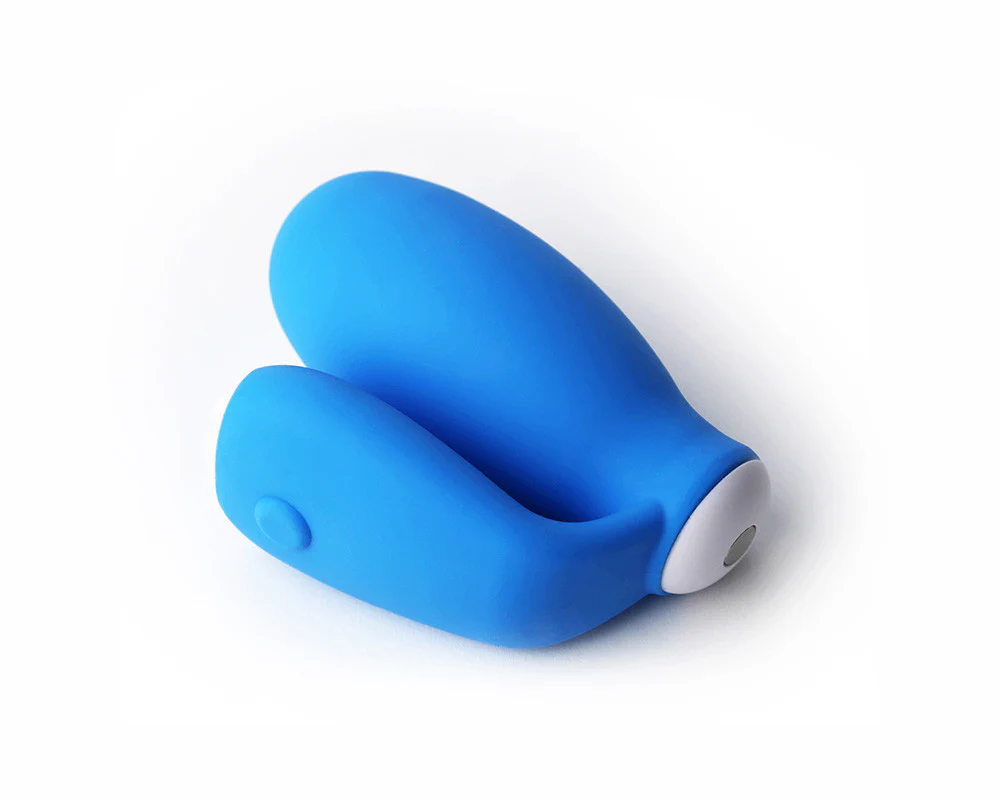
For people dealing with period-related pelvic floor symptoms like heaviness, leakage, looseness, or poor muscle awareness, kGoal devices offer real-time tactile and vibrational biofeedback to help you understand what your pelvic floor is actually doing.
This is especially useful because symptoms like heaviness or leakage can reflect underactivity, overactivity, or poor coordination, and those need very different approaches, like Kegels or Down Training.
Training with kGoal devices for women may help improve pelvic support, reduce leakage, and build the kind of body awareness that makes it easier to manage symptoms across the cycle.
Treating a Weak Pelvic Floor and Heavy Periods
A weak pelvic floor does not cause heavy periods, but the two conditions often overlap in ways that affect how both are experienced. The uterus determines how much blood is lost. The pelvic floor shapes how that experience feels, how much pressure or leakage occurs, and how confident you feel managing it.
If you have both, both deserve attention, ideally from a gynecologist and a pelvic floor physical therapist working alongside each other.
Support Your Pelvic Health the Right Way
With kGoal, you get real-time feedback that helps you understand your pelvic floor and manage symptoms with confidence.
References
1. Professional, C. C. M. (2026, May 6). Menstrual cycle. Cleveland Clinic. https://my.clevelandclinic.org/health/articles/10132-menstrual-cycle
2. Blanco-Diaz, M., Vielva-Gomez, A., Legasa-Susperregui, M., Perez-Dominguez, B., Medrano-Sánchez, E. M., & Diaz-Mohedo, E. (2024). Exploring pelvic symptom dynamics in relation to the menstrual Cycle: Implications for clinical assessment and management. Journal of Personalized Medicine, 14(3), 239. https://doi.org/10.3390/jpm14030239
3. Armour, M., Ee, C. C., Naidoo, D., Ayati, Z., Chalmers, K. J., Steel, K. A., De Manincor, M. J., & Delshad, E. (2019). Exercise for dysmenorrhoea. Cochrane Database of Systematic Reviews, 2019(9), CD004142. https://doi.org/10.1002/14651858.cd004142.pub4
4. Pelvic floor dysfunction. (2025, September 9). Cleveland Clinic. https://my.clevelandclinic.org/health/diseases/14459-pelvic-floor-dysfunction
5. Haes, A. F. M. P. C. C. I. M. (2025, December 20). Why bladder symptoms often worsen before and during menstruation. Urology Times – News &Amp; Insights for Urologists &Amp; Health Professionals. https://www.urologytimes.com/view/why-bladder-symptoms-often-worsen-before-and-during-menstruation
6. Heavy menstrual bleeding - Symptoms and causes. (n.d.). Mayo Clinic. https://www.mayoclinic.org/diseases-conditions/menorrhagia/symptoms-causes/syc-20352829
FAQs
Can a weak pelvic floor cause heavy periods?
No. Menstrual blood flow is controlled by the uterus, hormones, and the uterine lining, not the pelvic floor. A weak pelvic floor can affect how heavy periods are experienced, such as increased leakage or pressure, but it cannot increase blood volume.
Why do I feel looser before my period?
This is usually hormonal. As estrogen drops before and during menstruation, pelvic floor muscle tone and tissue elasticity naturally decrease. If the feeling resolves after your period, it is likely cycle-related rather than a sign of pelvic floor weakness.
Does the pelvis open or shift during menstruation?
No. The pelvic bones and ligaments are stable structures that move only a few millimeters, and only during pregnancy due to significant hormonal shifts. Sensations of heaviness, pressure, or looseness during a period are real, but they do not mean anything is moving or damaged.
Can Kegels help with period symptoms?
Kegels will not reduce menstrual blood flow, but strengthening and coordinating the pelvic floor may reduce leakage, heaviness, and pressure during your period. Research also suggests regular exercise may help reduce menstrual pain for some people.
What should I track to help my doctor understand my symptoms?
Tracking the following across a few cycles can help clinicians identify patterns: bleeding days and how often you change products, clot size, pelvic heaviness or pressure on a scale of one to ten, incontinence episodes, pain location and intensity, and any bowel or bladder changes.
When should I see a gynecologist versus a pelvic floor physical therapist?
See a gynecologist if bleeding is heavy, prolonged, irregular, or paired with severe pain. See a PFPT if you have persistent pressure, leakage, pain with intercourse, or symptoms that worsen with activity. For many people, seeing both gives the most complete picture.