Hypertonic Pelvic Floor and Periods: Expert Tips to Soothe Cramps
A hypertonic (overly tight) pelvic floor can make period cramps feel much worse than they need to. This post explains why that happens and shares practical, expert-backed tips to find relief.




Published June 9, 2026
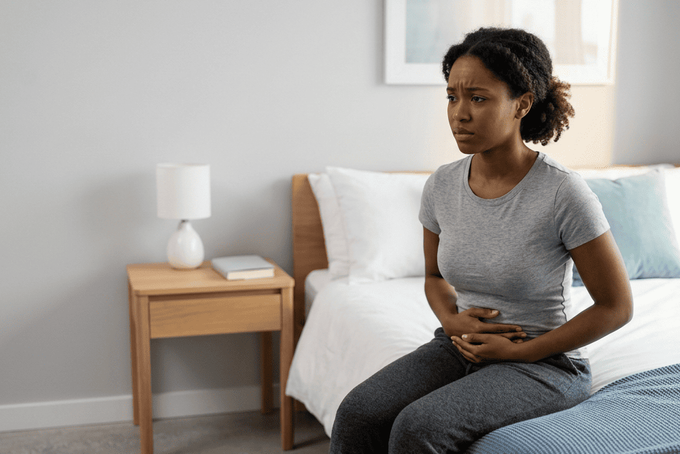
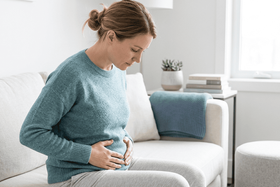
Period cramps are uncomfortable enough on their own. But if your pelvic floor muscles are overly tight, they can make those cramps feel so much worse. The bright side is that once you understand what's going on in your pelvic area, there's plenty you can do to soothe the pain.
This guide covers what causes a hypertonic pelvic floor, how it affects your period, and practical tips to ease the pain.
What Is a Hypertonic Pelvic Floor?
A hypertonic pelvic floor simply means that your pelvic floor muscles are staying too tight instead of relaxing normally. Most people think of pelvic floor problems as weakness, but too much tension is just as common and can be just as disruptive.
This creates a cycle where the uterus contracts, the pelvic floor guards, and the pain signals worsen on top of each other, making cramps feel sharper, heavier, and more widespread than they otherwise would [1].
What Causes a Hypertonic Pelvic Floor?
Several things can contribute to pelvic floor tension, and many of them make period pain worse:
- Chronic stress and anxiety cause unconscious muscle tightening throughout the day, including in the pelvic floor [2].
- Repeated painful periods can train the body to stay guarded over time, even between cycles [1].
- Shallow chest breathing and abdominal bracing reduce normal pelvic floor relaxation.
- High-intensity exercise without adequate recovery keeps the pelvic muscles constantly engaged.
- A history of pelvic pain or trauma can make the nervous system more protective and reactive to cramping.
Signs Your Cramps May Involve Pelvic Floor Tension
Typical period cramps are centered in the lower abdomen and ease up after the heaviest days. Cramps with a hypertonic pelvic floor often feel different [3]. Watch for:
- Pain spreading into the hips, groin, lower back, or rectal area.
- Discomfort that continues even after cramping should have eased.
- Pain or difficulty with tampon insertion or menstrual cups.
- Urinary urgency or constipation during your period.
- Pain with sitting, bowel movements, or intercourse.
These symptoms don't automatically mean your pelvic floor is the cause, but they're worth bringing up with a pelvic floor physical therapist (PFPT) or gynecologist.
5 Expert Tips to Soothe Menstrual Cramps
1. Biofeedback with kGoal to Soothe Menstrual Cramps
For a hypertonic pelvic floor, biofeedback therapy is about learning to relax, not squeeze harder.
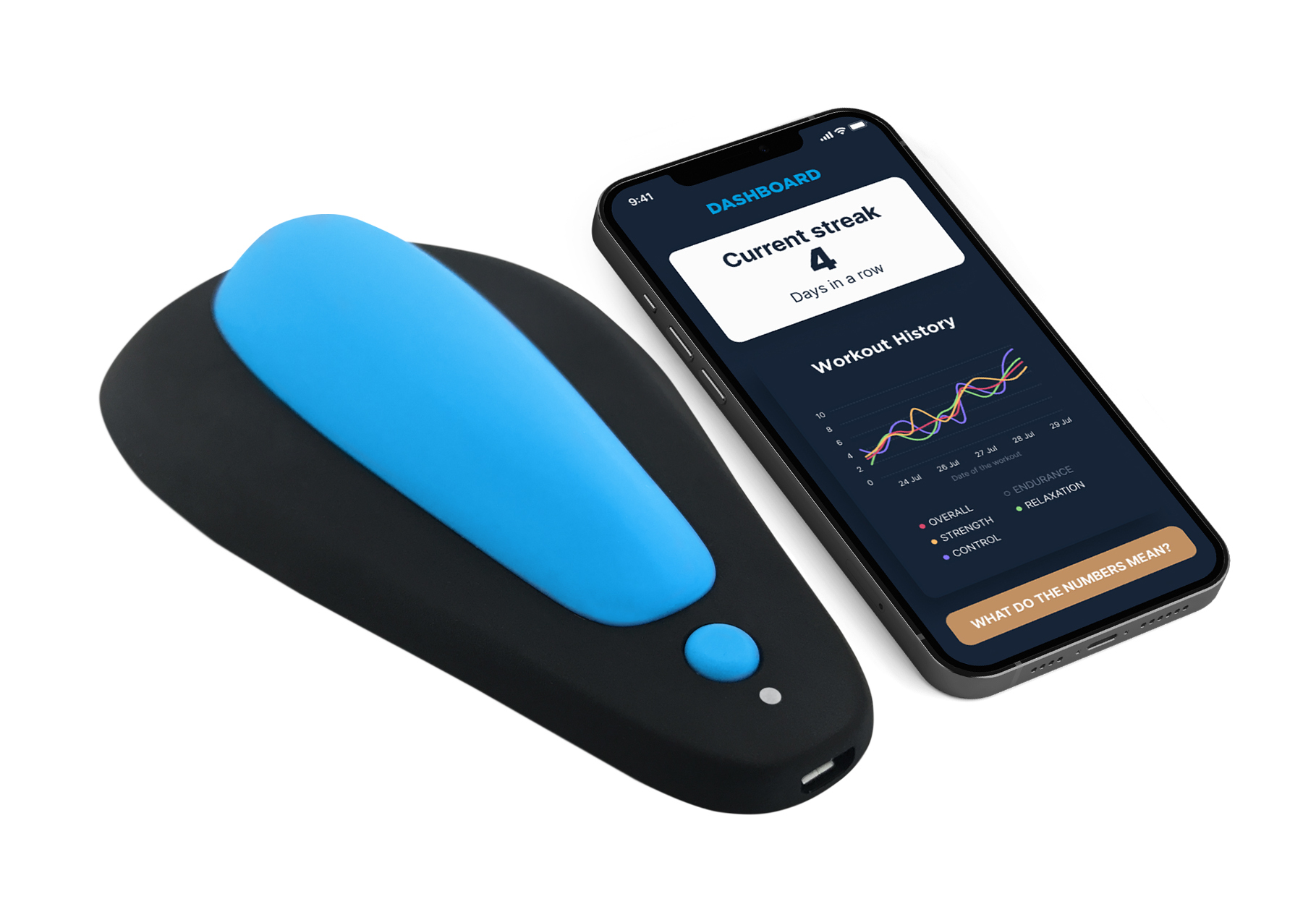
Using kGoal Boost can help you focus on awareness and relaxation rather than strength. Breathe slowly and diaphragmatically, and aim to feel the pelvic floor soften and relax over time.
How to use kGoal
Start with short sessions of 5 to 10 minutes a few times a week. Some people notice reduced pelvic pressure within a few sessions, though meaningful change typically takes a few weeks of consistent practice [2].
The key mistake to avoid is treating it like a strengthening workout. For hypertonic muscles, too much squeezing can worsen pressure and cramping. kGoal Boost for women is well-suited for Down Training, which helps relax the tight pelvic floor muscles.
2. Heat Therapy to Soothe Menstrual Cramps
A heating pad or warm water bottle placed on the lower abdomen, pelvis, or lower back can help relax tight muscles and reduce cramping. Lie in a comfortable position with slow, relaxed breathing and let the warmth do the work.
Use heat for 15 to 30 minutes at a time, several times a day during painful flares. Many people notice relief within minutes.
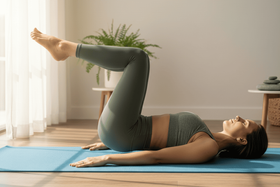
3. Gentle Stretching or Restorative Yoga to Soothe Menstrual Cramps
Positions like child's pose, reclining butterfly, or gentle hip stretches can release tension in the pelvic floor and surrounding muscles. Use pillows or blankets for support, keep breathing slow and steady, and let the stretch feel calming rather than intense.
4. Light Walking and Movement to Soothe Menstrual Cramps
Gentle movement helps improve circulation, reduce stiffness, and ease pelvic pressure. A slow 10 to 20-minute walk with relaxed posture and diaphragmatic breathing is often enough to make a difference.
5. Relaxed Bowel Habits to Soothe Menstrual Cramps
Period-related constipation and straining can worsen pelvic floor tension. Try resting your feet on a small stool while on the toilet to put the pelvis in a more relaxed position. Breathe slowly, keep the abdomen soft, and avoid pushing or holding your breath.
Soothe Your Menstrual Cramps Away
A hypertonic pelvic floor doesn't have to make your periods harder than they already are. With the right combination of relaxation techniques, gentle movement, and professional support, most people see meaningful improvement over time.
If symptoms are severe, persistent, or getting worse, don't wait. A pelvic floor physical therapist and a gynecologist working together will give you the clearest path forward.
Get Rid of Menstrual Cramps
With kGoal, you get real-time feedback that helps you relax your pelvic floor and manage symptoms with confidence.
References
1. Hypertonic pelvic floor. (2026, January 7). Cleveland Clinic. https://my.clevelandclinic.org/health/diseases/22870-hypertonic-pelvic-floor
2. Hypertonic pelvic floor: causes, symptoms, and treatment - Mendwell Pelvic Health. (n.d.). https://www.mendwellhealth.com/all-conditions/hypertonic-pelvic-floor
3. Menstrual cramps - Symptoms & causes - Mayo Clinic. (2022, April 30). Mayo Clinic. https://www.mayoclinic.org/diseases-conditions/menstrual-cramps/symptoms-causes/syc-20374938
4. Cirino, E. (2023, February 1). How to get rid of period cramps: 14 Remedies to Try. Healthline. https://www.healthline.com/health/womens-health/how-to-get-rid-of-cramps
FAQs
What is a hypertonic pelvic floor?
It means the pelvic floor muscles are staying too tight instead of relaxing normally. This can cause pelvic pain, pressure, constipation, urinary urgency, and pain with intercourse or tampon insertion. It's just as common as pelvic floor weakness, but often goes unrecognized.
Can a tight pelvic floor make period cramps worse?
Yes. When the pelvic floor is already tense, it can tighten further in response to uterine cramping and create a pain cycle that makes cramps feel sharper, heavier, and more widespread than they would otherwise be.
How do I know if my period pain is related to pelvic floor tension?
Signs include pain spreading into the hips, lower back, or rectal area, discomfort with tampon insertion, constipation or urgency during your period, and pain that lingers after cramping should have eased. A pelvic floor physical therapist can assess whether muscle tension is contributing.
Can you do pelvic floor therapy while on your period?
Yes, in most cases. Focus on relaxation rather than strengthening during painful days. Shorter, gentler sessions in comfortable supported positions are usually well tolerated. If internal devices cause discomfort during menstruation, focus on breathing and relaxation exercises instead.
Does the pelvis physically move or shift during a period?
No. The pelvic bones are stable structures and don't shift during menstruation. Sensations of heaviness, pressure, or instability are usually related to cramping, bloating, inflammation, and tight pelvic floor muscles, not actual structural changes.
When should I see a doctor about period pain?
See a gynecologist if your pain is severe, getting progressively worse, paired with heavy bleeding, large clots, fever, or bleeding between periods. These symptoms need medical evaluation and shouldn't be attributed to pelvic floor tension alone.