Hypertonic Pelvic Floor: 5 Most Common Causes & When to Worry
A hypertonic pelvic floor means muscles that stay too tight and can't relax properly, causing pain, urinary issues, and sexual dysfunction. Unlike weak pelvic floors that need strengthening, hypertonic muscles need downtraining and relaxation.




Published May 18, 2026

If you’re having painful sex, struggling to start urinating even when your bladder is full, or dealing with ongoing constipation or pelvic pain, there may be a clear and treatable reason behind it.
These symptoms are often caused by a hypertonic pelvic floor, where the muscles stay too tight instead of relaxing. It’s surprisingly common, and many people don’t realize that doing Kegels can actually make things worse.
This guide breaks down the most common causes, how to recognize when tight muscles are the issue, and why the solution focuses on learning to relax the pelvic floor, not strengthen it.
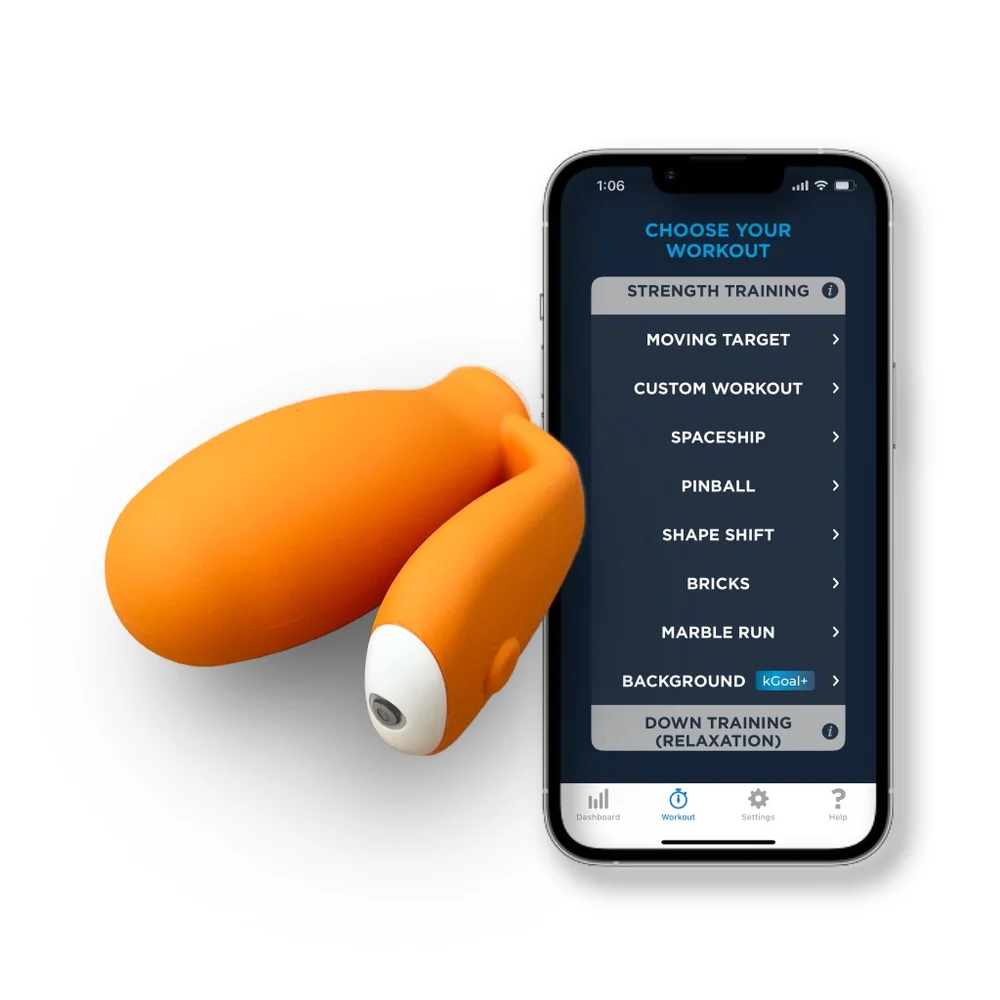
Relax Your Pelvic Floor
Learn when you're doing the right movements to relax your pelvic muscles with biofeedback tools.
What Is a Hypertonic Pelvic Floor?
All muscles have baseline resting tone—slight tension even when relaxed. In a hypertonic pelvic floor, muscles maintain excessive tension constantly. They're overactive, struggle to relax, and feel tender during examination.
The key difference between a hypertonic and a hypotonic pelvic floor is:
- Weak Pelvic Floor: Can't generate enough force, needs strengthening (Kegels), and function improves with muscle building.
- Hypertonic Pelvic Floor: Stays chronically tight, needs relaxation and downtraining. It worsens with strengthening.
The confusing part is that hypertonic muscles can also be weak. Constantly contracted muscles can't generate full force because they never fully relax. You can have both tightness and weakness, but addressing the tightness should come first.
Common Symptoms of a Hypertonic Pelvic Floor
There are quite a few symptoms that can disrupt daily life, including [1]:
- Pelvic pain (vagina, penis, perineum, or rectum).
- Pain during or after sex.
- Difficulty starting urination despite a full bladder.
- Frequent urination (more than every 2-3 hours).
- Chronic constipation.
- Lower back pain without a clear cause.
- Pain with gynecological exams or tampon insertion.
Bowel and bladder habits can become complicated, sexual activity becomes painful or impossible, and simple activities like sitting or exercising can trigger pain. Over time, chronic pain can affect mental health, relationships, and work productivity.
5 Most Common Causes of Hypertonic Pelvic Floor
1. Surgery, Trauma, or Childbirth Injury
When the pelvic floor experiences trauma, whether from surgery, childbirth injuries, or accidents, the body sometimes responds with protective muscle guarding [2]. The muscles contract reflexively to add stability, protect damaged tissue, or avoid pain.
This protective response happens through several ways:
- Pain Signaling: Nociceptors (pain sensors) in tissues detect injury and send signals to the spinal cord, which triggers reflexive muscle tightening.
- Scar Tissue Formation: Surgical incisions or tears create scar tissue and fascial restrictions (tightness in the connective tissue) that affect how tissues glide and move, leading to increased muscle tension to compensate.
- Nerve Irritation: The many nerves surrounding the pelvis can become irritated during trauma, causing increased muscle guarding, consciously or subconsciously.
This cause mainly affects women during childbearing years through postmenopause, though men can develop hypertonicity after prostate surgery, hernia repair, or pelvic trauma.
Some interventions can reduce trauma risk:
Prenatal pelvic floor physical therapy prepares muscles for delivery.
Patient education about pushing techniques decreases injury rates.
Reducing medically unnecessary cesarean sections and episiotomies prevents some trauma.
Untreated post-traumatic hypertonicity creates a pain-tension cycle: muscles stay tight to protect injured tissue, tightness causes pain, and pain signals more protective guarding. This cycle can persist long after the original injury heals.
Alongside this, the combination of bladder dysfunction, bowel issues, sexual pain, and chronic discomfort significantly impacts mental health, potentially contributing to anxiety, depression, and relationship strain.
2. Musculoskeletal Injuries or Spine Issues
The body's interconnected structure means pain or injury in one area affects others. The pelvic floor forms the bottom of the core cylinder, with abdominal muscles in front, back muscles behind, and the diaphragm on top.
When any core component becomes injured or painful, the pelvic floor often compensates by increasing tension to provide additional stability.
Lower back pain—one of the most common pain conditions among adults, affecting 40.6% of women and 37.2% of men—can trigger pelvic floor hypertonicity [3].
The compensation can result from altered movement patterns (like limping or favoring one side), changed breathing mechanics (people in pain often breathe shallowly), or direct stability needs when spinal support is compromised.
This cause affects adults across all ages and both sexes relatively equally. Athletes, manual laborers, and people with physically demanding jobs face increased risk.
Office workers sitting for extended periods without adequate core strength also commonly develop the back pain-pelvic floor tension connection.
A meta-analysis on low back pain showed exercise, education, and ergonomic modifications significantly reduce injury risk [4].
Regular physical activity that builds core strength without overtraining, proper lifting mechanics, and addressing pain or movement dysfunction early through physical therapy or medical intervention can prevent the compensation patterns that lead to pelvic floor hypertonicity [5].
Unresolved musculoskeletal issues create cascading dysfunction. Chronic back pain alone reduces quality of life, work capacity, and mental health.

3. Chronic Pain Conditions
Certain conditions create chronic pelvic or abdominal pain that triggers protective pelvic floor tightening [6]:
Irritable Bowel Syndrome (IBS): Bloating, cramping, constipation, and diarrhea create pressure and discomfort. The pelvic floor responds by tightening for both men and women in an attempt to manage the internal pressure changes.
Endometriosis: Cells similar to the uterine lining grow outside the uterus, affecting 1 in 10 women of reproductive age, most commonly diagnosed in the 30s and 40s [7]. The resulting inflammation, swelling, and scar tissue cause significant pelvic pain that triggers muscle guarding.
Interstitial Cystitis (IC)/Painful Bladder Syndrome: Chronic bladder pain causes frequent urination due to discomfort with bladder filling. The pelvic floor tightens reflexively around the painful bladder.
Vulvodynia and Anal Fissures: Vulvodynia involves nerve dysfunction or hypersensitivity in the vulva, while anal fissures trigger painful sphincter spasms. Both conditions create localized pain that spreads to the surrounding pelvic floor muscles.
Research shows 80% of people with chronic pelvic pain have high-tone pelvic floor dysfunction, showing how strongly these pain conditions connect to muscle hypertonicity [8].
These conditions mainly affect women, though men can develop IC and anal fissures. IBS affects both sexes relatively equally. But age ranges vary.
Endometriosis cannot currently be prevented, though treatments include surgery, medication, and physical therapy.
For conditions related to bowel and bladder health, a fiber-rich diet promotes smooth bowel movements, adequate hydration supports bladder health, and avoiding bladder irritants (caffeine, alcohol, artificial sweeteners) reduces inflammation.
Chronic pain conditions left untreated worsen over time. The original condition continues causing damage and pain, while secondary pelvic floor hypertonicity adds another layer of dysfunction [9].
Physical health deteriorates, mental health suffers (chronic pain strongly correlates with depression and anxiety), and relationships strain under the weight of persistent pain and sexual dysfunction.
Support Your Pelvic Health

4. Psychological Stress, Anxiety, or Trauma
Stress triggers the body's fight-or-flight response, activating the sympathetic nervous system. This activation causes widespread muscle tension, including in the pelvic floor [10].
Short-term stress that resolves doesn't typically create lasting problems, but chronic stress, post-traumatic stress disorder (PTSD), or major trauma keeps muscles perpetually tight.
The National Center for PTSD estimates 6% of people will have PTSD at some point in their lives [11]. This chronic activation prevents the parasympathetic nervous system (responsible for the "rest and digest" state) from allowing muscles to fully relax.
Stress affects people of all ages and both sexes. High-stress professions (healthcare workers, emergency responders, military personnel), caregivers, and people experiencing major life transitions face increased risk.
Trauma survivors of any age or sex commonly develop hypertonicity, particularly if the trauma involved physical or sexual assault.
Stress and trauma are difficult to prevent entirely, but acknowledging life pressures and addressing mental health proactively can reduce the risk of chronic dysfunction.
Early intervention after trauma—through therapy, support groups, or specialized trauma treatment—can prevent the development of chronic pelvic floor guarding patterns.
Chronic stress creates widespread health effects beyond pelvic floor dysfunction: increased risk of heart disease, weakened immune function, cognitive impairment, and mental health disorders.
5. Behavioral Patterns and Postural Habits
Daily habits that you might think are harmless can gradually train the pelvic floor to stay tight:
Holding Urine or Stool: If your job limits bathroom access, you must constantly engage your pelvic floor to maintain continence. Over time, muscles adapt to this chronic tension state and struggle to relax even when it's safe to do so.
Prolonged Sitting: Extended sitting decreases blood flow to pelvic floor muscles and places pressure on surrounding nerves, increasing pain and dysfunction. Office workers, drivers, and people with sedentary lifestyles are particularly vulnerable.
Postural Dysfunction: An anterior pelvic tilt (overarched lower back with pelvis tilted forward) strains hip flexors and spine, causing the pelvic floor to compensate with increased tension. Poor posture in general prevents the pelvic floor from achieving full relaxation during rest periods.
Your job plays a significant role: teachers, healthcare workers, truck drivers, and security personnel who can't take bathroom breaks when needed face a higher risk.
Office workers and people in sedentary jobs develop issues related to prolonged sitting. These patterns affect both men and women equally across adult age ranges.
Good bathroom habits form the foundation:
Aim for bowel movements between once every three days to three times daily, urinating approximately every 2-4 hours, and never ignore the urge to go when possible.
Take regular standing and movement breaks from sitting every 30-60 minutes to improve circulation and reduce nerve compression.
Maintaining good posture through general strength and endurance training helps to position the pelvis optimally for pelvic floor function.
Beyond pelvic floor dysfunction, chronic bathroom habit issues create additional health risks. Prolonged stool retention links to hemorrhoids, increased risk of colon polyps and cancer, constipation, and diverticulosis [12]. Chronic urine retention may contribute to urinary tract infections [13].

Why Strengthening Exercises Make Hypertonicity Worse
The standard advice for pelvic floor issues to "do your Kegels" is wrong for hypertonic muscles. These muscles are already chronically contracted and can't move through their full range.
Attempting to strengthen them either produces no benefit (they can't contract more than they already are) or makes symptoms worse by increasing existing tension.
Even when hypertonicity causes urinary incontinence, the root problem is that tight muscles can't relax enough to allow normal bladder filling or generate coordinated force. Strengthening doesn't fix either issue.
Effective treatment teaches hypertonic muscles to relax through pelvic floor downtraining, using breath work, manual therapy, biofeedback, and progressive relaxation to restore normal resting tone.
Only after muscles can fully relax should strengthening be considered, and only if assessment shows true weakness remains.
When to See a Pelvic Floor Physical Therapist
Pelvic floor physical therapists are the primary treatment providers for hypertonicity. These specialists assess your muscle tone, identify whether muscles need strengthening or relaxation, and create treatment plans addressing root causes.
Seek professional assessment for:
- Pain during gynecological or prostate exams.
- Pain or difficulty with sexual activity.
- Difficulty starting or fully emptying the bladder.
- Chronic constipation or straining.
- Frequent urination without infection.
- Persistent pelvic, genital, or rectal pain.
Professional evaluation includes interviews about symptoms, medical history, and habits, plus manual examination of pelvic floor muscles. Both men and women present with similar patterns—bowel dysfunction, bladder issues, sexual pain, and pelvic discomfort.
How Biofeedback Helps With Hypertonic Pelvic Floor
Most people can’t tell if their pelvic floor is actually relaxing, and that’s the problem. Biofeedback makes this visible by showing you, in real time, what your muscles are doing.
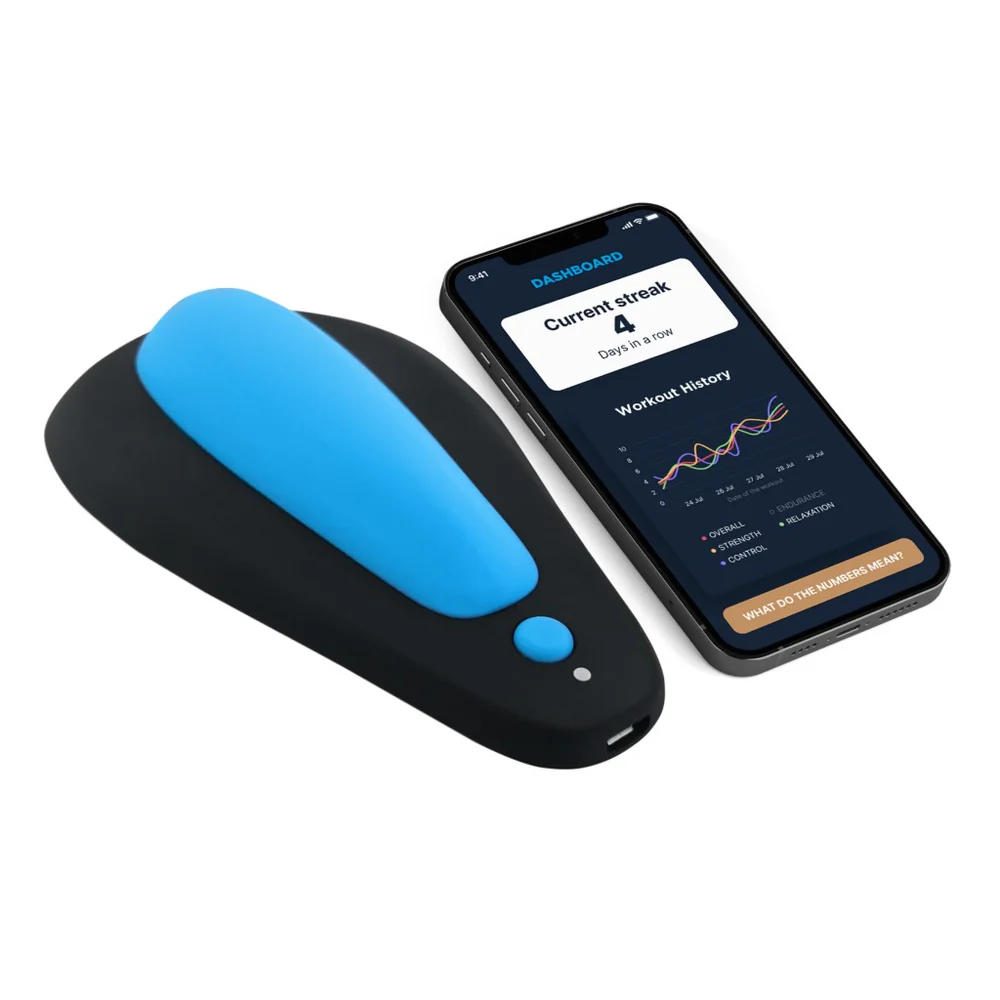
Tools like kGoal Boost for men and kGoal Boost for women use an app to guide relaxation. Instead of squeezing harder, you watch the pressure drop and stay low. Over time, this helps you notice everyday tension, like clenching in traffic or tightening after long hours at your desk, and release it with simple breathing.
For women, there are also internal options like kGoal Classic and kGoal IntimFlex, which work with the same app to provide real-time feedback from inside the pelvic floor. These can be especially helpful when internal awareness is part of the treatment plan, and are often used alongside guidance from a pelvic floor physical therapist, but it's important to make sure that vaginal insertion without discomfort is possible before choosing an internal option.
Pelvic floor physical therapists are still essential for internal work like trigger point release. But tools that support biofeedback pelvic floor therapy simplify your practice at home and help you keep making progress between and after appointments.
Relaxing Your Pelvic Floor Muscles
A hypertonic pelvic floor won’t fix itself, but it does respond to the right care. The first step is seeing a pelvic floor physical therapist to confirm tightness and understand what’s driving it.
Treatment focuses on relaxation, not effort, using manual therapy, breathing, habit changes, and biofeedback tools like kGoal Boost to make sure tension is actually releasing. With consistent practice, many people feel real improvement within 8–12 weeks.
Stop Guessing, Start Relaxing
Use kGoal Boost's real-time feedback to practice pelvic floor downtraining and finally teach tight muscles how to release tension.
References
1. Hypertonic pelvic floor. (2026, January 7). Cleveland Clinic. https://my.clevelandclinic.org/health/diseases/22870-hypertonic-pelvic-floor
2. DeLancey, J. O., Masteling, M., Pipitone, F., LaCross, J., Mastrovito, S., & Ashton-Miller, J. A. (2024). Pelvic floor injury during vaginal birth is life-altering and preventable: what can we do about it? American Journal of Obstetrics and Gynecology, 230(3), 279-294.e2. https://doi.org/10.1016/j.ajog.2023.11.1253
3. Low back pain and pelvic floor disorders. (n.d.). Physiopedia. https://www.physio-pedia.com/Low_Back_Pain_and_Pelvic_Floor_Disorders
4. Steffens, D., Maher, C. G., Pereira, L. S. M., Stevens, M. L., Oliveira, V. C., Chapple, M., Teixeira-Salmela, L. F., & Hancock, M. J. (2016). Prevention of low back pain. JAMA Internal Medicine, 176(2), 199. https://doi.org/10.1001/jamainternmed.2015.7431
5. Nipa, S. I., Sriboonreung, T., Paungmali, A., & Phongnarisorn, C. (2022). The Effects of Pelvic Floor Muscle Exercise Combined with Core Stability Exercise on Women with Stress Urinary Incontinence following the Treatment of Nonspecific Chronic Low Back Pain. Advances in Urology, 2022, 1–8. https://doi.org/10.1155/2022/2051374
6. Chronic pelvic pain - Symptoms and causes. (n.d.). Mayo Clinic. https://www.mayoclinic.org/diseases-conditions/chronic-pelvic-pain/symptoms-causes/syc-20354368
7. Endometriosis. (n.d.). ACOG. https://www.acog.org/womens-health/faqs/endometriosis
8. Torosis, M., Carey, E., Christensen, K., Kaufman, M. R., Kenton, K., Kotarinos, R., Lai, H. H., Lee, U., Lowder, J. L., Meister, M., Spitznagle, T., Wright, K., & Ackerman, A. L. (2024). A treatment algorithm for High-Tone Pelvic Floor Dysfunction. Obstetrics and Gynecology, 143(4), 595–602. https://doi.org/10.1097/aog.0000000000005536
9. Admin, P. (2024, January 4). Understanding long term (Chronic) pelvic pain. Pelvic Pain Foundation. https://www.pelvicpain.org.au/understanding-long-term-pelvic-pain/
10. Chu, B., Marwaha, K., Sanvictores, T., Awosika, A. O., & Ayers, D. (2024, May 7). Physiology, stress reaction. StatPearls - NCBI Bookshelf. https://www.ncbi.nlm.nih.gov/books/NBK541120/
11. VA.gov | Veterans Affairs. (n.d.). https://www.ptsd.va.gov/understand/common/common_adults.asp
12. Prolonged stool retention links to hemorrhoids, increased risk of colon polyps and cancer, constipation and diverticulosis.
13. Urinary retention. (2025, December 3). Cleveland Clinic. https://my.clevelandclinic.org/health/diseases/15427-urinary-retention
FAQs
What are the symptoms of a tight pelvic floor in women?
Women with hypertonic pelvic floors commonly experience pelvic pain, painful intercourse or difficulty with penetration, pain during gynecological exams or tampon insertion, frequent urination with difficulty starting the stream, chronic constipation, painful menstruation, and lower back pain. The pain may be constant or triggered by specific activities like sitting, exercise, or sexual activity.
What are tight pelvic floor symptoms in men?
Men experience similar patterns: pelvic, penile, or testicular pain; difficulty starting urination despite a full bladder; frequent urination; chronic constipation; painful ejaculation; and lower back pain. Some men describe a feeling of sitting on a golf ball or persistent pressure in the perineum (area between scrotum and anus). Pain may worsen with sitting, cycling, or prolonged standing.
How is hypertonic pelvic floor diagnosed?
Diagnosis combines detailed symptom history with physical examination. A pelvic floor physical therapist or specialized physician conducts an internal examination (vaginal for women, rectal for men or women) to assess muscle tension, identify tender trigger points, and evaluate whether muscles can relax on command. External examination of posture, breathing patterns, and related muscle groups provides additional diagnostic information.
Can a hypertonic pelvic floor cause incontinence?
Yes—this seems counterintuitive since incontinence is typically associated with weakness, but tight muscles that can't relax properly also can't coordinate contractions effectively. The result: urge incontinence (sudden, strong need to urinate with leaking on the way to the bathroom) or difficulty fully emptying the bladder, which creates frequency. This is why assessment is critical—treating hypertonicity-related incontinence with Kegels makes it worse.
Is a hypertonic pelvic floor more common after childbirth?
Childbirth can trigger hypertonicity through protective muscle guarding after tearing, episiotomy, or traumatic delivery. However, hypertonicity affects people who've never been pregnant, including men and nulliparous women (those who haven't given birth). Chronic stress, pain conditions, and behavioral patterns affect people regardless of reproductive history.
What's the difference between hypertonic pelvic floor and pelvic floor weakness?
Hypertonic muscles stay chronically tight and struggle to relax; weak muscles can't generate enough force when needed. Treatment is opposite: hypertonicity requires downtraining and relaxation techniques, while weakness needs strengthening exercises (Kegels). Confusingly, hypertonic muscles can also be functionally weak—they can't generate full force because they never fully relax. Assessment determines which problem (or combination) exists.