8 Expert Methods to Improve Vaginal Tone and Pelvic Strength
Women with pelvic floor weakness, often after childbirth or menopause, can improve strength through eight proven methods. Proper Kegel exercises with biofeedback, pelvic therapy, electrical stimulation, laser treatments, and specialist care help.




Updated January 9, 2026
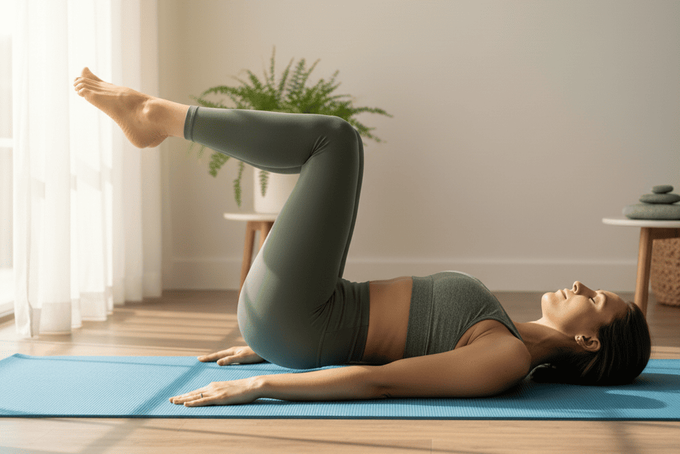
Feeling like your vaginal muscles aren't as strong as they used to be is a common issue. Whether it's after giving birth, during menopause, or just as part of aging, weakened pelvic floor muscles affect millions of women, and they impact everything from bladder control to sexual satisfaction.
Now, "vaginal tightness" isn't just about sex. It's directly connected to your pelvic floor strength, which affects bladder control, core stability, and overall quality of life. Let's look into proven ways to rebuild your pelvic strength.
Strengthen Your Pelvic Floor
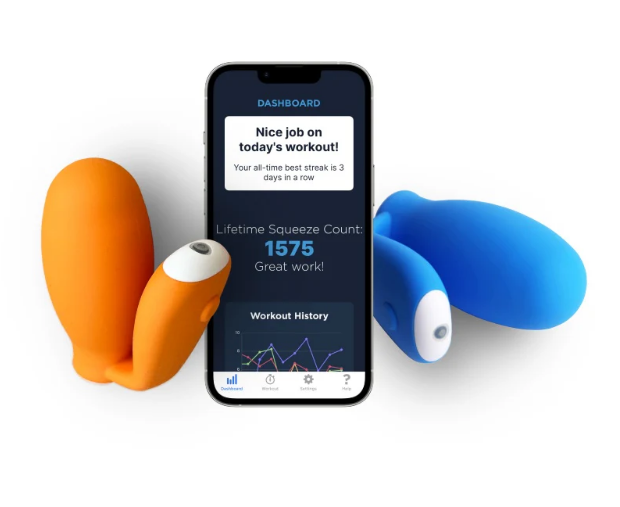
Rebuild your pelvic floor with kGoal’s guided biofeedback to strengthen your muscles for better control and confidence.
What Causes Weak Vaginal Muscles and Pelvic Floor Dysfunction?
Understanding why your pelvic floor has weakened can help you approach recovery with clarity rather than frustration or self-blame. Several factors work together to affect these muscles, and for most women, it's not just one thing.
- Childbirth: If you've given birth vaginally, pregnancy and delivery stretched your pelvic floor muscles dramatically. About 1 in 10 women experience noticeable vaginal laxity six months postpartum [1]. If you've had multiple births, experienced tearing, or needed an episiotomy [a surgical cut made during delivery to enlarge the vaginal opening], your risk increases substantially
- Menopause: As you go through menopause, declining estrogen causes your vaginal tissues to become thinner and less elastic—this is a well-documented factor in pelvic floor disorders [2]
- Body Weight: Excess weight creates constant downward pressure on your pelvic floor. Studies consistently link higher BMI with increased pelvic symptoms [3]
- Chronic Strain: If you deal with persistent constipation or have a chronic cough from smoking, asthma, or allergies, you're forcing your pelvic muscles to work overtime
- Surgeries and Trauma: If you've had a hysterectomy, pelvic fractures, or spent years doing heavy lifting, these experiences may have compromised your pelvic floor's structural support [4]
- Genetics: If your mother or sister had severe pelvic organ prolapse, you're 2-5 times more likely to face similar challenges
8 Methods to Tighten Your Vagina and Strengthen Your Pelvic Floor
1. Work with a Pelvic Floor Physical Therapist
This is comprehensive, one-on-one rehabilitation with a specially trained therapist. They perform a detailed internal exam to assess your specific muscle issues, then create a customized treatment plan.
This isn't just Kegels, though. You'll learn proper breathing techniques like diaphragmatic breathing for pelvic floor exercises, core exercises, hip stretches, and strategies to coordinate everything.
It's also good if you need a structured program or have multiple issues.
Results usually show in 8-12 weeks of weekly therapy. Patients report improvements in leak frequency, bowel function, better posture, core stability, and pain reduction.
The trade-off is time and cost. There are no side effects, but if pain is severe, gentle techniques are best to relax the pelvic floor first.
2. Master Kegel Exercises to Tighten Vaginal Muscles
Kegel exercises are voluntary contractions of your pelvic floor muscles. You squeeze and lift (imagine stopping urine mid-stream or preventing gas from escaping), hold for several seconds, then release. No equipment is needed, and you can do these exercises whenever you want to.
Studies have shown that structured pelvic floor muscle training during pregnancy and postpartum reduces future incontinence, and exercises in early pregnancy can reduce later urinary leaks by 62% [5].
How to Do Kegels
- Contract your pelvic floor muscles
- Hold for 5-10 seconds, then release completely
- Don't hold your breath or tense your abs, butt, or thighs
- Start with 10 repetitions, three times daily
Mild cases improve in just a few weeks. Full muscle strengthening takes about 2-3 months, and bladder leakage frequency can drop by more than half.
You'll also notice better bladder control and possibly improved sexual confidence.
(Note: too much vaginal strength or tone can be a bad thing; it's important that your pelvic floor muscles are able to both contract and relax, and if they become too tight—also called hypertonic—that can cause a number of problems. So make sure to complement pelvic floor strengthening with down training/relaxation practice as needed.)
Expert Note: Up to 30% of women doubt whether Kegels work, but this is because they perform Kegels incorrectly without supervision and gain no benefit. Women with pelvic pain or overly tight muscles may need guidance to avoid making things worse.
Use kGoal to Ensure Proper Technique for Vaginal Tightening
Most people aren't sure if they're doing Kegels correctly. That's where kGoal comes in. It solves this issue with real-time biofeedback pelvic floor therapy.
kGoal Classic is an intravaginal trainer that connects to an app. You squeeze your pelvic floor against gentle resistance while watching real-time biofeedback on your phone. kGoal Boost is a better option if you don't want to use an intravaginal trainer.
The visual and physical guidance you get from using these tools helps you engage the right muscles. It's a big advantage over products that only provide visual feedback through their apps.
Women who trained for 16 weeks with a biofeedback device plus exercises had significantly greater pelvic floor strength than those who exercised alone [6].
This is great for postpartum or menopausal women who struggle to perform Kegels correctly on their own.
Patients using biofeedback devices report that pelvic floor exercises lead to better sexual sensation and bladder control. Some see improved leakage within 4 weeks. Around 8-12 weeks of consistent use will build noticeable strength. However, don't use it if you have an active vaginal infection or significant pelvic pain.
3. Try Pelvic Floor Physical Therapy With Biofeedback
Pelvic floor physical therapists use EMG biofeedback sensors or ultrasound to train both strength and coordination. They insert a gentle sensor so you can see your muscle activity on a screen and learn to contract correctly.
This works especially well for women struggling to isolate their pelvic muscles, often post-surgery or with neuromuscular impairments. It's also good if you need a structured program or have multiple issues, like severe urinary incontinence plus pelvic pain.
Results usually appear in 8-12 weeks of weekly therapy. You learn how to do the correct technique and relaxation. Patients report improvements in leak frequency, bowel function, better posture, and core stability.
The issue here is that this is time and cost-intensive, as you'll need multiple clinic visits. Large trials also show that adding devices like EMG biofeedback to exercises often doesn't yield better long-term outcomes than exercises alone.
4. Consider Electrical Stimulation for Vaginal Tightening Treatment
Electrical stimulation devices apply mild currents to stimulate pelvic nerves and muscles. You sit on a special chair or hold a probe while the device pulses. This causes involuntary muscle contractions, essentially "working out" your pelvic floor without conscious effort.
It's best for women who can't actively exercise their pelvic floor due to severe weakness or neurologic issues. It's also helpful for stress incontinence after childbirth or menopause.
Expert Note: Keep in mind that this requires specialized equipment or clinic access. Effectiveness is about the same as doing pelvic floor exercises, and it's not recommended during pregnancy or if you have a pacemaker.
More on Pelvic Health

5. Use Weighted Vaginal Cones or Balls
These are small cone or ball-shaped weights that you insert into your vagina. You contract your pelvic floor to keep the weight from slipping out. Over time, you progress to heavier weights. It's isometric resistance training for pelvic muscles.
This is best for women with mild stress incontinence who can tolerate vaginal insertion. It's good for those who like simple, equipment-based exercise without needing electronic trainers.
Data from a study showed vaginal weights beat no treatment in reducing stress incontinence [7]. Many women using this method report better continence after a few months, and typical training is about 3-4 months with daily use.
Expert Note: A fair warning is that many women find cones awkward or uncomfortable. There's a risk of forgetting the device inside, although rare. Alongside this, if you have vaginal atrophy or infection, cones may be painful.
6. Explore Laser Vaginal Rejuvenation for Tightening
This office procedure uses fractional laser probes inserted into the vagina to deliver controlled heat. The warmth triggers your body's natural healing response, similar to how skin tightens after certain facial treatments. This stimulates new collagen production and thickens vaginal tissue. Sessions last 15-30 minutes, done every 4-6 weeks for 2-3 visits.
This is best for postmenopausal women with vaginal atrophy or postpartum women with symptomatic laxity and dryness. It may help with mild stress incontinence or sexual dysfunction related to poor tissue tone.
One study of 20 women with vaginal laxity found significant improvement in vaginal health, sexual function, and urinary symptoms after three CO₂ laser sessions [8]. Many notice better lubrication and a tighter sensation within 1-3 months.
It's not always recommended if you have active infections or are breastfeeding. Cost and availability can also limit access, and researchers haven't yet gathered long-term safety data.
7. Try Temperature-Controlled Radiofrequency
This method uses a special probe to heat the inner vaginal wall to around 40-45°C. The controlled warmth causes tissue to tighten immediately and encourages your body to produce fresh, supportive tissue over time. Treatments take about 30 minutes, are painless, and are typically done in 2-3 sessions spaced one month apart.
Good candidates are women with vaginal looseness after childbirth or age-related laxity. It is also helpful for mild stress incontinence and improved sexual function.
Many women see results quickly. Some note improved tightness and lubrication after the first session. Effects often last a year or more after a full course.
Expert Note: This is not recommended during pregnancy, or in women with active lesions, or implants in the treated area. Improvement is usually more modest than surgical options. Also, patients with extremely loose tissue might not achieve the desired results.
8. Consider Platelet-Rich Plasma (PRP) Injection
PRP therapy involves drawing your blood, spinning it to concentrate platelets, and injecting this platelet-rich solution into the vaginal walls or pelvic floor tissues. Platelets release growth factors that stimulate new blood vessel formation and collagen production.
This might help women seeking a "biological" boost to tissue quality. It may help with postpartum scarring, post-menopausal vaginal atrophy, or mild stress incontinence. PRP has been applied for stress incontinence, scars from tears, and vaginal atrophy [9].
Benefits show after 1-3 months as new collagen forms. Patients report gradual enhancement of sexual sensation and comfort. A key advantage is its safety profile since you're using your own blood, so there's no allergy risk.
Keep in mind that this is still investigational. The long-term effects aren't well established. And, another issue is that the cost is high and usually not covered by insurance.
Your Path Forward to Pelvic Strength
Weak pelvic floor muscles don't have to be permanent. Most patients see meaningful improvement within 8-12 weeks of consistent training.
Starting with proper Kegel exercises using biofeedback tools to ensure correct technique is a great approach. If progress stalls, it's best to speak to a pelvic floor physical therapist to identify hidden issues like nerve damage or pelvic alignment problems.
Do Kegels the Right Way
Use kGoal biofeedback tools to perform Kegels properly, track progress, and rebuild pelvic strength.

References
Godoy, M. R., Pereira, G. M. V., Viegas, C. V., & De Castro Monteiro, M. V. (2025). Prevalence of vaginal laxity in primiparous women six months after birth. Revista Brasileira Ginecologia E Obstetrícia, 47. https://doi.org/10.61622/rbgo/2025rbgo61
Vaginal atrophy. (2025, July 29). Cleveland Clinic. https://my.clevelandclinic.org/health/diseases/15500-vaginal-atrophy
Pomian, A., Lisik, W., Kosieradzki, M., & Barcz, E. (2016). Obesity and Pelvic Floor Disorders: A Review of the literature. Medical Science Monitor, 22, 1880–1886. https://doi.org/10.12659/msm.896331
Pelvic organ prolapse. (2025, September 9). Cleveland Clinic. https://my.clevelandclinic.org/health/diseases/24046-pelvic-organ-prolapse
Cochrane. (2025). How effective is pelvic floor muscle training undertaken during pregnancy or after birth for preventing or treating incontinence? Cochrane. https://www.cochrane.org/evidence/CD007471_how-effective-pelvic-floor-muscle-training-undertaken-during-pregnancy-or-after-birth-preventing-or
Khalil, I., Hameed, M., Taher, E., & Shaheen, E. (2015, June). Efficacy of biofeedback-assisted pelvic floor muscle training in females with pelvic floor dysfunction. ScienceDirect. https://www.sciencedirect.com/science/article/pii/S209050681400058X
Cochrane. (2025). Vaginal weights for training the pelvic floor muscles to treat urinary incontinence in women. Cochrane. https://www.cochrane.org/evidence/CD002114_vaginal-weights-training-pelvic-floor-muscles-treat-urinary-incontinence-women
Samuels, J. B., & Garcia, M. A. (2018). Treatment to external labia and vaginal canal with CO2 laser for symptoms of vulvovaginal atrophy in postmenopausal women. Aesthetic Surgery Journal, 39(1), 83–93. https://doi.org/10.1093/asj/sjy087
Kurniawati, E. M., Rahmawati, N. A., Hardianto, G., Paraton, H., & Hadi, T. H. S. (2024). Role of platelet-rich plasma in pelvic floor disorders: A systematic review. International Journal of Reproductive BioMedicine (IJRM), 21(12), 957–974. https://doi.org/10.18502/ijrm.v21i12.15034
Disclaimer: This article is for informational purposes only and is not intended as medical advice. Always consult a qualified healthcare provider before starting any new treatment or if you experience persistent bladder symptoms.
FAQs
Can you tighten your vagina in one day with home remedies?
No. Despite what you might see online about ice or other "quick fixes," there's no legitimate way to tighten vaginal muscles in one day. Muscle strengthening takes time—just like you can't get six-pack abs overnight. It's best to focus on consistent, evidence-based approaches that build real strength over weeks and months. The methods that work (like Kegels with biofeedback) take 8-12 weeks to show meaningful results.
What's the best vaginal tightening medicine or treatment?
There's no "vaginal tightening medicine" that works like a pill. The most effective approaches are pelvic floor exercises (Kegels), preferably with biofeedback to ensure proper technique. For more advanced cases, energy-based treatments like laser vaginal rejuvenation or radiofrequency are recommended, but these should be combined with exercise for best results. Topical vaginal estrogen can help tissue health in postmenopausal women but doesn't "tighten" muscles—it improves tissue quality.
How do I tighten my vagina after giving birth?
Start with pelvic floor exercises once your doctor clears you (usually around 6 weeks postpartum). It's best to use a biofeedback device like kGoal to ensure you're doing Kegels correctly—up to 30% of women do them wrong without realizing it. With consistent training (3-4 times weekly), most of my postpartum patients notice improvement in 4-6 weeks and significant gains by 3-4 months. If you're not seeing progress, work with a pelvic floor physical therapist who can assess your specific needs.
Is vaginal tightening surgery better than exercises?
Starting with exercises and other conservative methods first is always best. Surgery (like vaginoplasty) is invasive, expensive, and comes with risks including scarring, pain, and loss of sensation. Most patients with mild to moderate laxity see significant improvement with consistent pelvic floor training. Surgery should be reserved for severe cases that don't respond to conservative treatment, and only after thorough evaluation by a specialist.