4 Best Pelvic Floor Biofeedback Devices for Accurate Home Training
Not all pelvic floor biofeedback devices are created equal. Many devices share feedback differently, and some are not as easy to use. This guide helps you narrow down the device that suits your goals and lifestyle.




Published June 9, 2026

Are you doing Kegels but looking for a way to make sure you're doing them correctly? After all, it is one type of exercise that no amount of theory can ensure you're flexing the right muscles. Studies even show that up to 50% of people perform Kegel exercises incorrectly without feedback, often bearing down instead of lifting up [1].
Without knowing whether you are engaging the right muscles, it's easy to reinforce the wrong patterns without realizing it. The right pelvic floor biofeedback device changes that. It shows you in real time what your muscles are actually doing, so every session counts. In this guide, we will look into the best pelvic floor biofeedback devices for home training, for both men and women.
The 4 Best Pelvic Floor Biofeedback Devices for Home Training for Men and Women
Master the Correct Technique
Learn when you're doing the right movements to relax your pelvic muscles with biofeedback tools.
Why Pelvic Floor Biofeedback Devices are Better Than Unsupervised Kegels
Pelvic floor muscles are completely internal. You cannot see them in a mirror or feel them clearly, the way you can with other muscle groups. That makes it very easy to compensate with the wrong muscles without realizing it.
Here is what a biofeedback device gives you that unsupervised exercise cannot:
- You know if you are doing it correctly. Real-time feedback can show whether you are lifting upward or accidentally bearing down, which increases pressure and can make symptoms worse.
- You can see actual progress. Tracking strength, endurance, and coordination across sessions removes the guesswork about whether training is working.
- You stay consistent. Guided sessions, reminders, and streak tracking reduce the mental barrier that makes most people quit.
- You get better results. Studies show urinary incontinence decreased more with motion-based devices compared to exercises alone at 8 weeks [2].
Most people cannot tell whether they are engaging or relaxing the pelvic floor correctly, even when they are doing their best to follow instructions. Biofeedback changes that. It gives you something concrete to work with, which makes home training safer, clearer, and far more effective.
What to Look for in a Pelvic Floor Biofeedback Device
Not all biofeedback devices are equal. These are the criteria that matter most when choosing one:
- Signal Accuracy: Reliable devices show repeatable readings across sessions. Inconsistent signals undermine learning.
- Ease of Use: Even the most fully-featured tool won't help if it's too much hassle to actually use consistently.
- Directional Awareness: The best devices distinguish between lifting up and bearing down, one of the most common training errors.
- Material Safety and Comfort: Medical-grade materials improve tolerance and long-term adherence.
- Hygiene and Durability: Reusable devices must be easy to clean without degrading the sensors over time.
- Guidance and Interpretation Support: Users need to understand what the data means, not just see numbers on a screen.
What to Know Before Using a Pelvic Floor Biofeedback Device for the First Time
- Expect a learning curve. Numbers will improve with time, not with effort alone.
- The most common early mistakes are over-contracting, holding your breath, and ignoring relaxation phases. Studies link persistently elevated pelvic floor tone with ongoing symptom persistence, meaning more tension is not better [3].
- Focus on smooth, complete relaxation between contractions, not just peak force.
- Gradually reduce reliance on the device once movement patterns feel natural.
- Work with a pelvic floor physical therapist periodically, even if most training happens at home.
Most people see meaningful improvement within 6 to 12 weeks of consistent, correctly performed training. The key is matching the device to your symptoms, confirming your technique early, and giving your body the time it needs to adapt.
The 4 Best Pelvic Floor Biofeedback Devices for Home Training
1

kGoal Boost for Men and Women
The best pelvic floor trainer that works for both men and women without insertion
Easy to Use
Yes
Insertion Required
No
Provides Biofeedback
Yes (visual + tactile/vibrational)
Suitable For
Men and women
Why we chose this product:
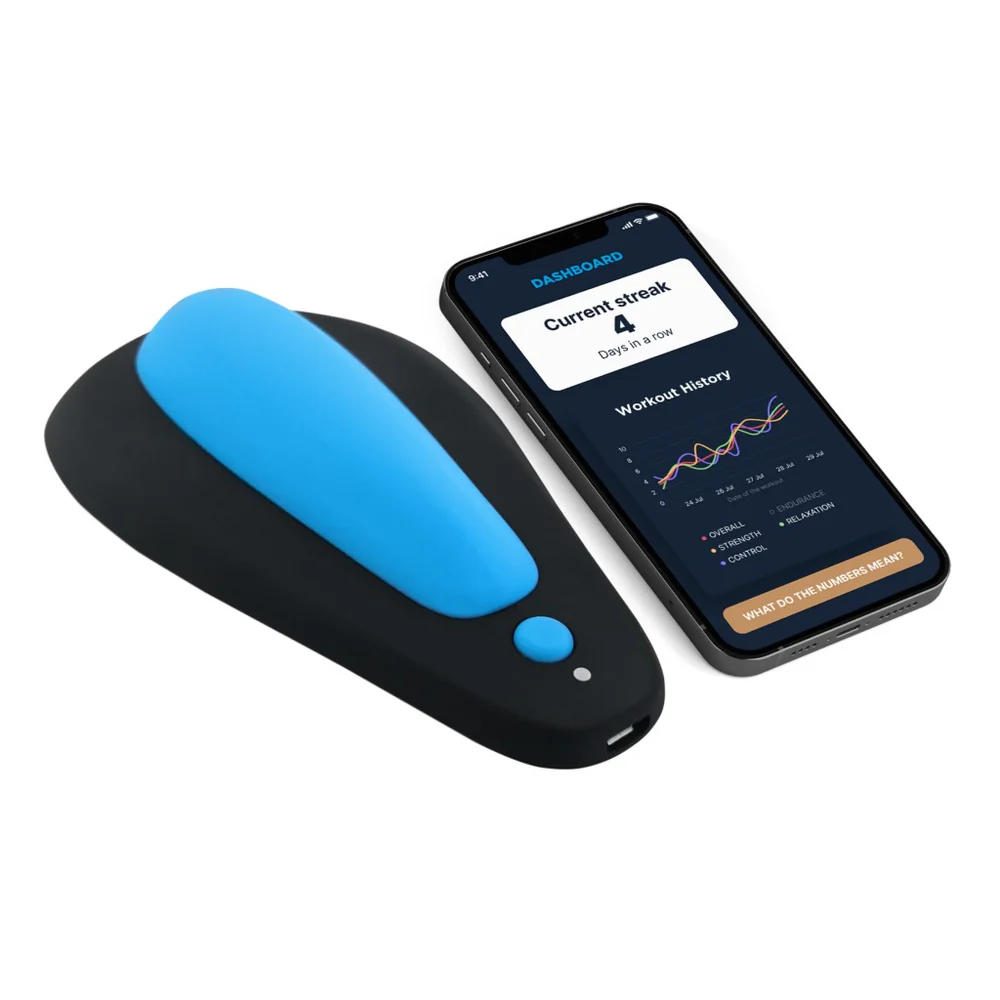
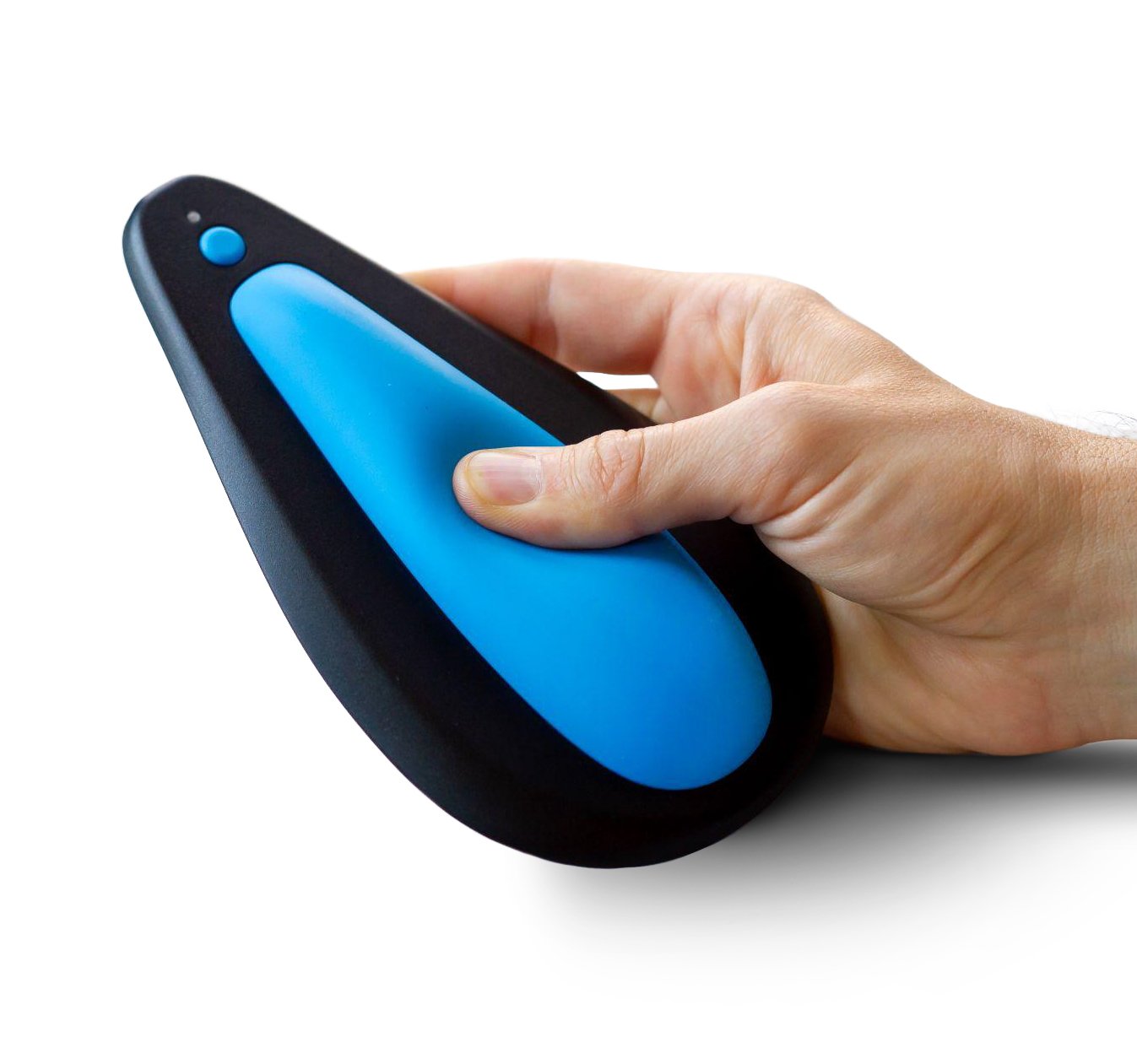
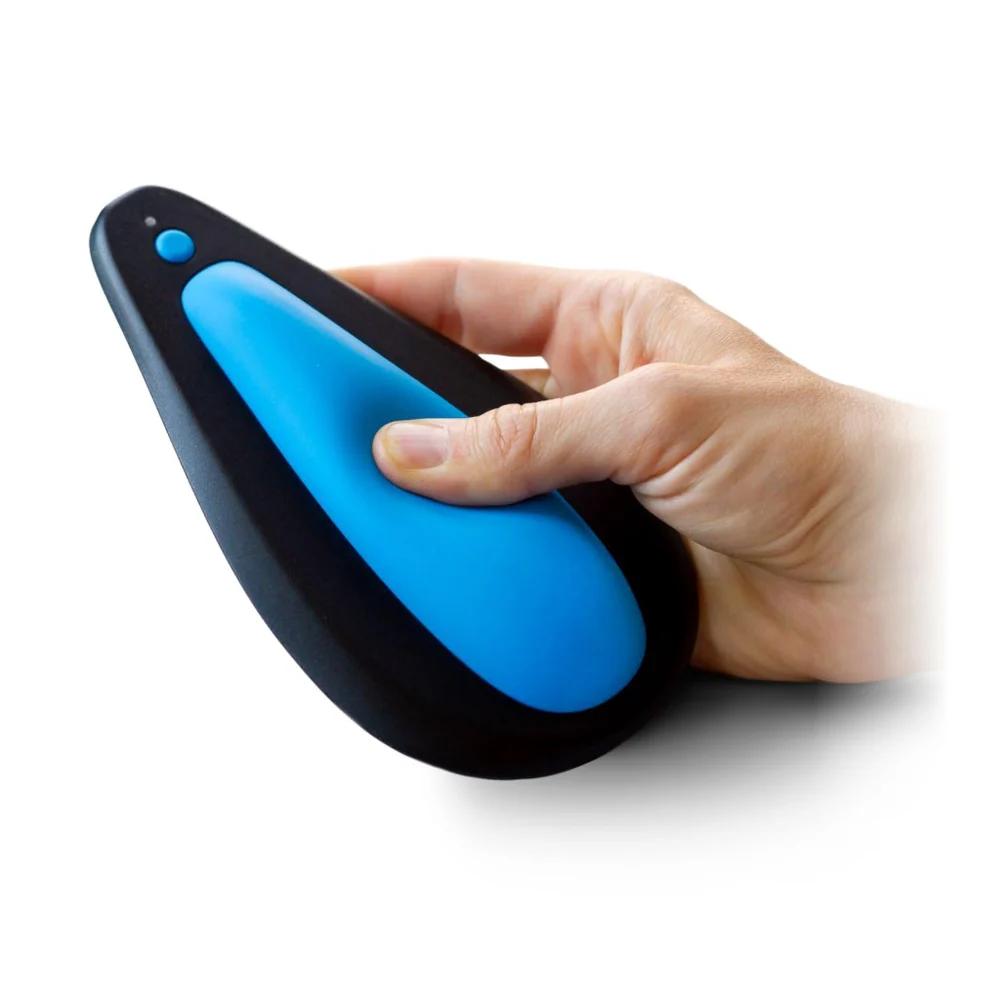
kGoal Boost is the top recommendation for both men and women. Boost for women and Boost for men provide both visual and tactile biofeedback and are extremely easy to use.
Unlike most competing products, both trainers are used by placing them on top of a chair or other seat and sitting on them, much like a bicycle seat, with clothing remaining on. Avoiding vaginal or rectal insertion and the use of electrodes makes it easier to build the fast, reflexive muscle response that conditions like sneeze leakage and bladder control require.
Furthermore, this sit-on-top usage makes the trainers particularly well-suited to support Down Training (pelvic floor muscle relaxation), either as a complement to or a substitute for traditional Kegel strengthening exercises.
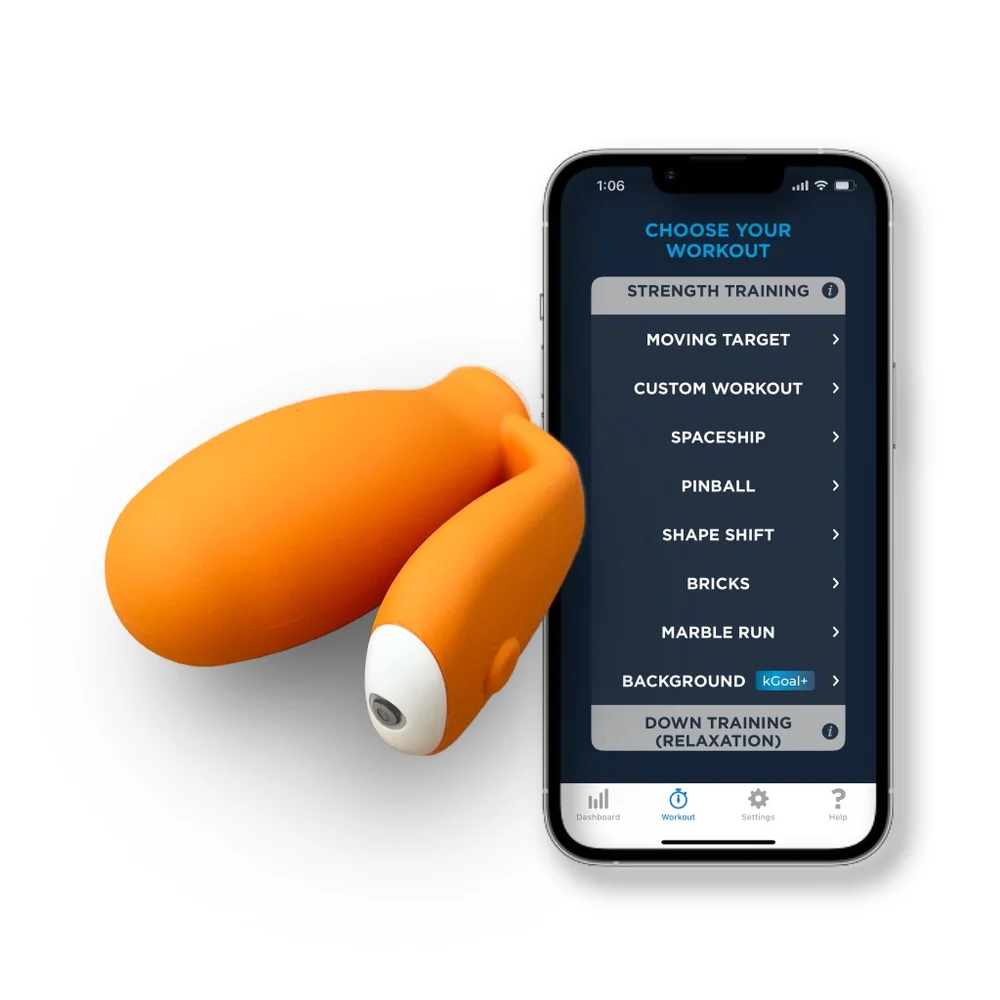
For women who prefer an internal training option, kGoal also offers kGoal Classic and kGoal IntimFlex, both intravaginal devices that provide the same real-time biofeedback experience for more targeted internal training.
Standout features
- Dual mode biofeedback (visual through the app and tactile through the device itself)
- Supports both strengthening (Kegel) and relaxation (Down Training) exercises
- Measures and tracks exercise progress over time
- Gamified, customizable guided workouts that make pelvic floor exercise more fun
- Simple setup and cleaning
2

NeuroTrac
Clinical-grade electrical stimulation adapted for home use
Easy to Use
Moderate
Insertion Required
Depends on electrode type
Provides Biofeedback
Yes
Suitable For
Men and Women
Why we chose this product:
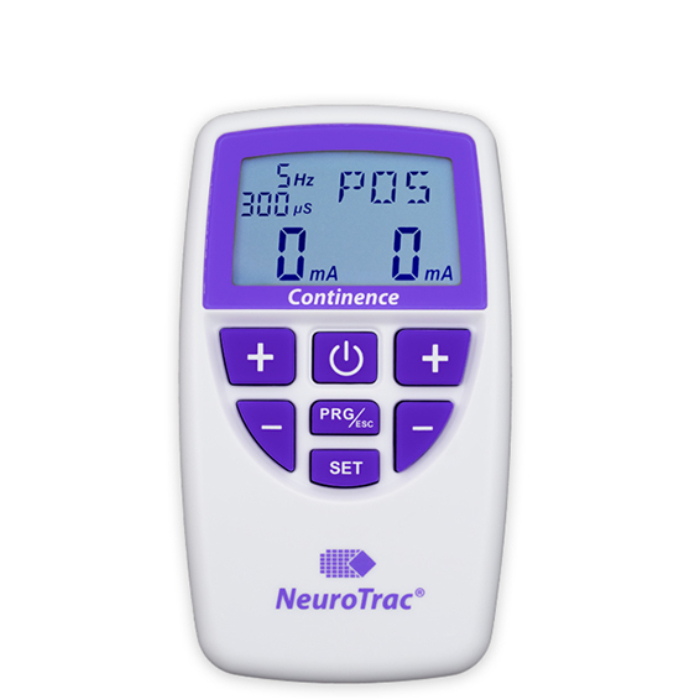
NeuroTrac is a dual-channel electrical stimulator adapted for home use that treats urinary and rectal incontinence by sending an electric current to the pelvic floor muscles. It offers nine built-in programs and three customizable constant mode programs, giving experienced users a high level of control over their training. It works best for users already familiar with biofeedback who are continuing care started in a clinical setting.
Standout features
- Dual channel electrical stimulator for urinary and rectal incontinence in men and women
- Nine built-in programs plus three customizable constant mode programmes
- Ability to lock the unit and record total time in use
- Clear backlit LCD for easy reading in low light
- Compact and reliable design suitable for home use
- Available through selected distributors who provide training and support
3

iTouch Sure
Gentle electrical stimulation that works your pelvic floor for you
Easy to Use
Moderate
Insertion Required
Yes
Provides Biofeedback
No
Suitable For
Men and Women
Why we chose this product:
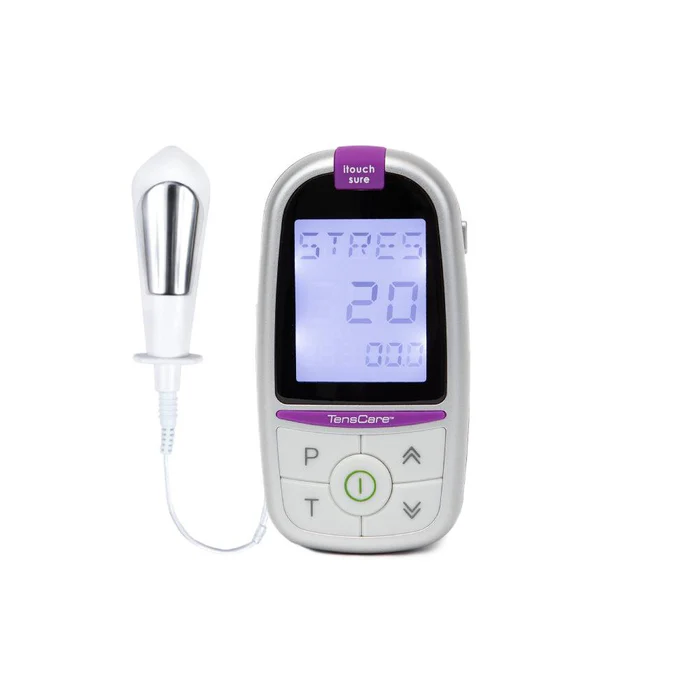
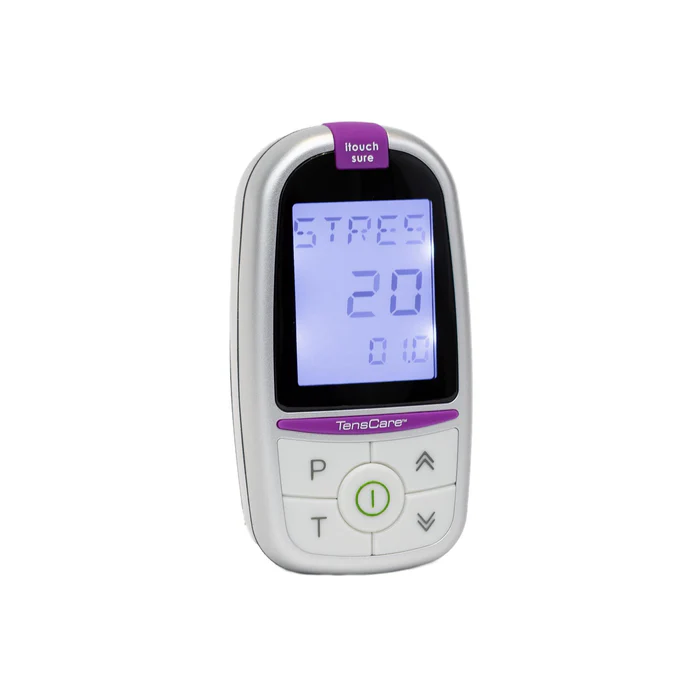
iTouch Sure is designed for people whose incontinence has not improved with exercises alone and who have weak or ineffective voluntary contractions. It delivers gentle electrical stimulation directly to the pelvic floor muscles, working the muscles for the user to build strength and help develop independent muscle control.
For women it uses a vaginal probe, and for men it can be used with an anal probe for the treatment of urinary and faecal incontinence, erectile dysfunction, and premature ejaculation.
Standout features
- Four pre-set treatment programs clinically tested to improve continence in men and women
- Stimulation increases in small increments of 0.5mA to avoid sudden intensity jumps
- Built-in safety system that resets if connection is lost
- Default 20-minute sessions with adjustable timers up to 90 minutes
- Silent and discreet with a travel bag included
- Compatible with vaginal probe for women and anal probe for men
4

Pathway STM-10
Medical grade pelvic floor stimulation that bridges clinic and home care
Easy to Use
Moderate
Insertion Required
Yes
Provides Biofeedback
Yes
Suitable For
Men and Women
Why we chose this product:
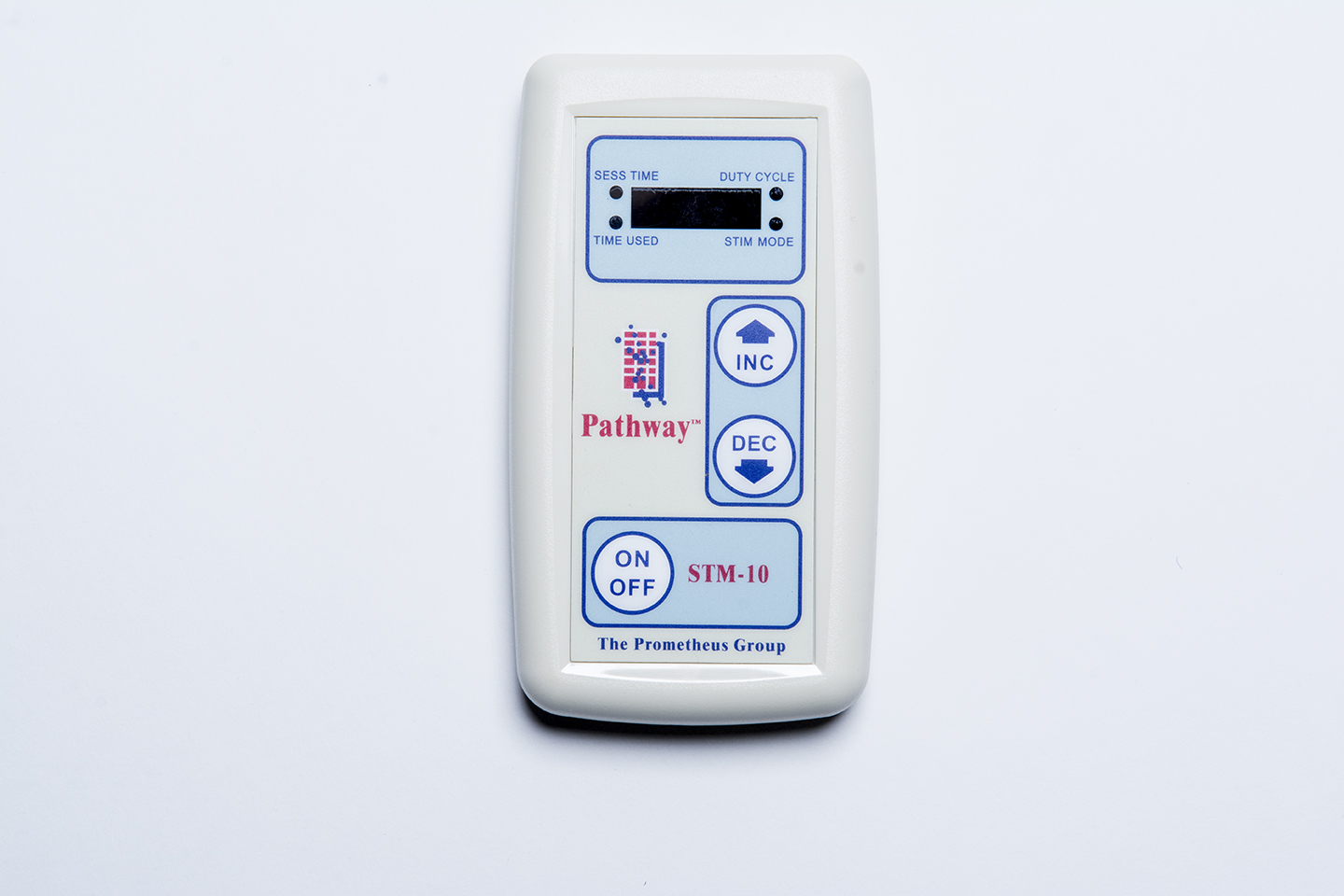
The Pathway STM-10 is a medical grade pelvic floor stimulator, similar to a TENS unit, that delivers an electrical signal into the vaginal or rectal tissue to treat both stress urinary incontinence and urge urinary incontinence in men and women. It is a restricted product that requires a valid prescription from a licensed medical professional, making it best suited for users transitioning directly from supervised clinical care who need clinical-level accuracy at home.
Standout features
- Medical grade pelvic floor stimulator for stress and urge urinary incontinence in men and women
- Delivers electrical signal via vaginal or rectal application
- Requires a valid prescription from a licensed MD, DO, NP, or PA
- Suitable for users continuing supervised clinical treatment at home
- Higher clinical accuracy than most consumer-grade devices
How to Choose the Right Pelvic Floor Biofeedback Device
Choosing the right device comes down to your symptoms, your starting point, and how you prefer to train.
If you are dealing with stress urinary incontinence, sneeze leakage, or post-surgical recovery, a device that emphasises coordination and fast reflexive contractions will serve you better than one focused purely on strength. If you have an over-tight pelvic floor or pelvic pain, down training support is essential, and kGoal Boost is a sit-on-top device that offers this.
If insertion is not comfortable or not preferred, kGoal Boost for men and kGoal Boost for women are the only validated external options. If you are working alongside a pelvic floor physical therapist, any of the kGoal devices integrate naturally into a home training plan between sessions.
Biofeedback is a learning tool, not a strength test. The goal of early sessions is accuracy and awareness, not high scores. Correct activation patterns matter far more than force output, especially in the early stages of training.
Train Smarter With kGoal Boost
The best sit-on-top pelvic floor trainer with real-time biofeedback for both men and women, no insertion required
- No more guesswork, Boost confirms when you are working the right muscles
- Real-time feedback through the app and through the device itself
- Gamification features that make Kegels actually fun to stick to
References
1. Professional, C. C. M. (2025, December 8). Kegel exercises. Cleveland Clinic. https://my.clevelandclinic.org/health/articles/14611-kegel-exercises
2. Weinstein, M. M., Dunivan, G. C., Guaderrama, N. M., & Richter, H. E. (2024). A motion-based device urinary incontinence treatment: a longitudinal analysis at 18 and 24 months. International Urogynecology Journal, 35(4), 803–810. https://doi.org/10.1007/s00192-023-05721-z
3. Till, S. R., Schrepf, A., Arewasikporn, A., Kratz, A. L., Missmer, S. A., & As-Sanie, S. (2025). Data-driven diagnosis and clinical presentation of high-tone pelvic floor dysfunction. American Journal of Obstetrics and Gynecology. https://doi.org/10.1016/j.ajog.2025.12.036
FAQs
What is the best pelvic floor biofeedback device for home use?
kGoal Boost is the top recommendation for both men and women. It is the only sit-on-top device that provides both visual and tactile vibrational feedback without insertion, supports Down Training for over-tight muscles, and includes gamification features that make consistent training much easier to maintain.
What is the difference between pressure-based and EMG-based biofeedback devices?
Pressure-based devices measure the force of muscle contraction and are generally better suited for strengthening and coordination training. EMG-based devices measure electrical muscle activity and are more useful for complex cases involving pelvic pain, hypertonicity, or neuromuscular dysfunction.
How long does it take to see results from pelvic floor biofeedback training?
Most people see meaningful improvement within 6 to 12 weeks of consistent, correctly performed training. Maximum benefit typically builds over 12 to 16 weeks. Starting sooner and training with accurate technique from the beginning leads to faster results.
Do I need a pelvic floor physical therapist if I use a biofeedback device at home?
A pelvic floor PT is always the most effective starting point but not everyone has access to one. At-home biofeedback devices are the next best option and work well independently. Even a single consultation with a PFPT to establish correct technique can significantly improve results from home training.
Can men use pelvic floor biofeedback devices?
Yes. kGoal Boost for men is specifically designed for male anatomy and is particularly effective for men recovering from prostate surgery or dealing with bladder control issues. The sit-on-top design requires no insertion and can be used with clothes on.