How Women Can Increase Their Libido: 6 Expert Tips for Every Age
Women with low libido can regain desire through six proven methods. Hormone therapy helps menopausal women within six to 12 weeks. Other treatments include libido medications, therapy, pelvic floor training, lifestyle changes, and supplements. Most improve in 8 to 12 weeks.




Published January 3, 2026

Low libido affects women at every stage of life. It can be caused by several issues, from postpartum exhaustion to menopausal hormonal shifts to the stress of juggling career and family, and it's far more common than most realize.
A "healthy" libido looks different for everyone. What counts is whether you're satisfied. If persistent low desire is causing distress or affecting your relationships, it's worth addressing. In most cases, you can improve sexual desire with the right approach. All that matters is ensuring that you're comfortable with the approach.
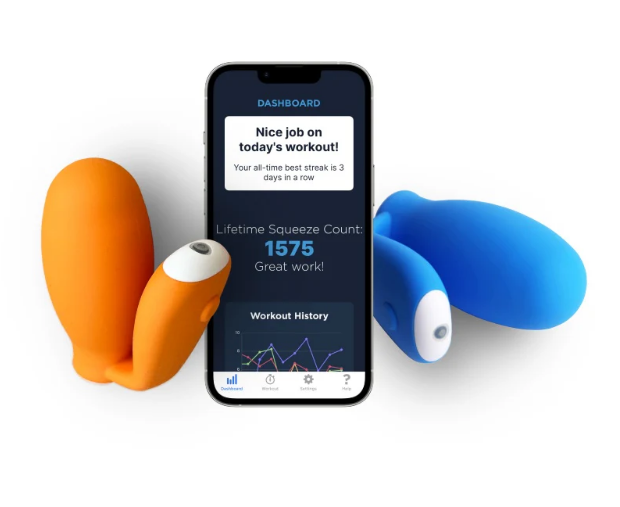
Reignite Your Desire
kGoal Classic provides real-time biofeedback as you do Kegel exercises to improve circulation, arousal, and confidence.
What Causes Low Libido in Women?
Several factors can cause a decreased sexual desire, including:
- Hormonal Shifts: Drops in estrogen or testosterone during menopause or postpartum often reduce sexual desire. Menopause-related estrogen loss also leads to vaginal dryness and pain during sex, blunting arousal [1]. Postpartum hormonal changes lower your sex drive and contribute to fatigue
- Medications and Illnesses: If you're on SSRIs for depression, you have about a 40% chance of sexual side effects versus 14% on placebo [2]. Chronic illnesses like diabetes, multiple sclerosis, and thyroid disease disrupt blood flow or nerves, reducing genital sensation
- Psychological Stress and Mood: If you're dealing with depression, you have a 50-70% likelihood of sexual dysfunction [3]. Chronic stress raises your cortisol, which suppresses sex hormones and arousal. Body image issues or past trauma can also reduce your desire
- Lifestyle and Life-stage Factors: If you're experiencing extreme fatigue from new parenting or eldercare, or dealing with poor sleep, these can blunt your sex drive [4]. Any surgery related to your breasts or genital tract can also affect your desire for sex
6 Expert Methods to Increase Female Libido
1. Try Hormone Therapy
Hormone therapies restore sex hormones that fuel libido [5]. Low-dose vaginal estrogen cream or rings rebuild vaginal tissue health, improving lubrication and comfort. By treating the thinning tissues and dryness that come with menopause, estrogen helps you actually feel arousal again, without the pain that was blocking it.
Some women use low-dose topical testosterone, usually in gel or patch form, under their physician's guidance. Testosterone can enhance your libido by amplifying dopamine pathways and sexual motivation.
One randomized trial found that postmenopausal women who used vaginal estrogen or topical testosterone 3 times weekly for 12 weeks saw improvement in sexual desire and overall function versus placebo [6].
Who Benefits Most
Hormonal therapy is most effective for:
- Women whose low libido is caused by estrogen or androgen deficiency
- Women bothered by vaginal discomfort or who have very low natural testosterone (for example, after hysterectomy with removal of ovaries)
- Menopausal women or those with surgical removal of the ovaries
What to Expect
Besides boosting desire, estrogen therapy can improve vaginal health and reduce UTIs and vaginal itching. It can ease hot flashes and mood swings. Testosterone therapy can also improve energy and overall mood.
Benefits usually show after 6-12 weeks. Many women also notice easier lubrication and arousal within 1-3 months.
Expert Note: Low-dose local hormones are generally safe, but must be used cautiously. Women with certain estrogen-sensitive cancers (like breast cancer) shouldn't use vaginal estrogen unless their oncologist approves it.
Testosterone needs careful monitoring, too much can cause acne, facial hair, and raise your bad cholesterol levels.
2. Consider Prescription Medications
Two FDA-approved drugs target brain chemistry to raise sexual desire. Flibanserin (Addyi) is a daily pill that balances serotonin and dopamine in the brain [7]. Over several weeks, it can increase spontaneous sexual thoughts and interest.
Bremelanotide (Vyleesi) is an injectable drug given about 45 minutes before anticipated sex [8]. It works on specific brain receptors to boost desire when you need it.
In clinical trials, flibanserin users had about one more satisfying sexual encounter per month compared to placebo, along with increased desire. Bremelanotide users saw meaningful improvements in desire as well [9].
Who Benefits Most
- These drugs are approved only for premenopausal women with generalized hypoactive sexual desire disorder (HSDD) and no coexisting relationship problem
- They're intended for psychological causes of low libido
- Women whose low desire is persistent, distressing, and not due to pain or hormonal deficiency
What to Expect
These medications mainly increase desire. Effects require patience. Flibanserin trials showed benefits after about 4-8 weeks. They don't create instant arousal, but prime the brain to be more responsive to intimate cues over time.
Expert Note: Both drugs carry notable warnings. Flibanserin can cause dizziness, drowsiness, nausea, and hypotension. Bremelanotide's most common side effects are mild nausea, flushing, and headache.
3. Try Supplements and Herbal Aids
There are "natural" supplements that claim to boost female libido. Some work by improving blood flow to the genitals (L-arginine from citrulline or ginkgo biloba), others by supporting hormone balance (tribulus, maca, fenugreek), or lifting mood (saffron).
One trial found that 30 mg daily of saffron improved lubrication and arousal in 38 women taking antidepressants over 4 weeks. Ginkgo, which improves blood flow by raising nitric oxide, helped reduce sexual dysfunction in 84% of participants in one small study [10].
Who Benefits Most
- Supplements mostly help women with mild libido issues related to blood flow or medication use
- Women experiencing SSRI-induced low desire might try saffron or ginkgo, as evidence suggests they can modestly improve sexual function in such cases
What to Expect
Many supplements offer other wellness effects; saffron can lift mood and reduce stress, while ginkgo can improve memory. However, any libido improvement is slow and subtle. You'll need at least 4-8 weeks of daily use before noticing benefits.
Expert Note: One main issue is that herbal supplements can interact with medications. Ginkgo can strengthen the effects of blood thinners (increasing bleeding risk), and saffron may lower blood pressure or cause mild drowsiness. Supplements aren't tightly regulated, so quality and purity vary widely between brands.
Always discuss supplements with your doctor, especially if you take prescription drugs. Also, pregnant women should avoid most herbal libido aids.
4. Work With a Therapist
Therapy tackles the psychological roots of low libido. A sex therapist or psychologist may help you reframe anxiety or negative beliefs about sex, or teach you mindfulness techniques to focus on sensation instead of self-judgment. Mindfulness-based approaches can improve arousal, orgasm, and desire over time.
Therapy also includes education, learning how arousal actually works, and practicing new sensual exercises like non-genital touch or exploring fantasies in a safe setting. Couples therapy helps partners communicate openly and discover new ways of connecting beyond just intercourse.
Who Benefits Most
- Women with stress-related or relational causes benefit most
- If low libido stems from performance anxiety, body-image issues, past trauma, or emotional distance in a relationship
Studies show psychological interventions have large effects in improving desire and reducing sexual distress [11].
What to Expect
Beyond boosting interest, therapy improves mood, self-esteem, and relationship satisfaction. As communication improves, many women report less performance pressure and more sexual confidence. And it's often noticeable within a few sessions (weeks). Some couples even see changes in 1-3 months of weekly sessions.
Keep in mind that there are no medical side effects to therapy, but it requires commitment. The main "risk" is that it may stir up difficult emotions before improving things. You should ensure your therapist is trained in sexual health or couples counseling before going this route.
5. Strengthen Your Pelvic Floor
Pelvic floor strength directly affects libido. After childbirth, weakened muscles reduce blood flow and sensitivity, causing pain and lower arousal. Studies show 21% of women remain sexually inactive up to two years postpartum [12].
Strengthening your pelvic muscles with guided Kegel exercises for women restores tone, improves clitoral sensitivity, and enhances sexual satisfaction within 6 to 12 weeks.
For those who want professional guidance, working with a pelvic floor physical therapist is an excellent option. They can assess your specific needs and create a customized plan. If a PT isn't accessible or affordable, at-home biofeedback pelvic floor therapy training provides effective results.
kGoal Classic is a smart Kegel exerciser that provides biofeedback on pelvic floor contractions. You insert the device vaginally and do targeted squeezes. The device's sensors connect to an app that tells you if you're activating the correct muscles, measure and track your exercise, and gamify the workouts to make it easier to stick with a consistent routine.
kGoal Boost is a sit-on-top trainer that measures your pelvic floor activation while you sit on it fully clothed—no insertion required. It's ideal if you're uncomfortable with internal devices. Boost also connects to the same app to provide measurements, games, tracking and more.
Unlike products that only provide visual feedback through apps, kGoal trainers offer both tactile and vibrational biofeedback, so you actually feel the device respond as you contract, which helps you learn proper technique faster.
Strengthening your pelvic muscles enhances blood flow to the genitals and increases clitoral sensitivity. Stronger pelvic muscles create more involuntary vaginal contractions during arousal and intensify orgasms. Over time, this improves natural lubrication and arousal intensity because blood flows more effectively to the area [13].
Who Benefits Most
- Women with pelvic floor weakness or injury, new mothers, women with mild prolapse or urinary incontinence, or those who have never exercised these muscles
- Postpartum women often see the biggest gains because childbirth can stretch or tear the pelvic floor
- Older women with age-related muscle laxity or anyone with mild stress incontinence will also benefit
What to Expect
Beyond increased desire, regular pelvic floor down training can reduce pelvic pain and improve urinary control and core stability (many women notice fewer leaks) and enhance overall confidence. Some report better orgasm consistency and intensity.
When it comes to how long until Kegels start working, you might feel subtle gains in about 1-2 months, including better awareness of pelvic muscles, more feeling during foreplay, and slowly increasing motivation.
Important Cautions: Pelvic floor exercises are very safe for most women, with no systemic side effects. However, they should be avoided during active pelvic infections or bleeding.
If you have pelvic pain syndromes (like vulvodynia), you should do guided training to ensure these muscles relax rather than over-tighten.
6. Make Lifestyle Improvements
Healthy lifestyle habits have powerful effects on sex drive. Regular cardiovascular exercise improves blood flow to the genital area and balances hormones. Even a single workout can temporarily boost arousal through endorphins and increased circulation.
Over time, consistent exercise improves mood, body image, and cardiovascular health, all of which support a higher libido [14]. Adequate sleep and stress management (yoga, meditation) lower cortisol, the stress hormone that suppresses sex hormones. Reducing stress can essentially "take the brakes off" your natural desire.
Who Benefits Most
All women can benefit, but especially:
- Those who are sedentary, overweight, or chronically stressed
- Women on antidepressants (who often have weight gain) saw sexual function improve in studies with regular exercise programs
- Even modest weight loss in obese women has been linked to better libido
What to Expect
Exercise and good sleep have many secondary benefits, better mood, more energy, and higher confidence. Women often notice these improvements within weeks. After 4-8 weeks of a new exercise routine, you'll see gains in mood and self-image.
Keep in mind that lifestyle changes are generally low-risk. Start gradually, especially with exercise, to avoid injury or burnout. If you have medical conditions, check with your doctor before starting intense workouts.
Increasing Your Low Libido
Low libido doesn't have to be permanent. Most women see meaningful improvement by combining several approaches, hormone therapy when appropriate, addressing psychological factors, strengthening the pelvic floor, and making lifestyle adjustments.
If you've gone through major life changes like cancer treatment, surgical menopause, or hysterectomy, you may need a more intensive approach that addresses the sudden hormonal shifts and emotional impact.
Boost Your Libido
Strengthen your pelvic floor with kGoal’s real-time biofeedback for perfect kegels to help restore desire.
References
Muralikrishna, G. B., Prabhu, K., Shanmugapriya, N., & Sankar, G. (2025). Knowledge, Attitudes, and Prevalence of Menopausal Symptoms among Perimenopausal and Postmenopausal Women – A Mixed Method Study from Tamil Nadu. Journal of Mid-life Health, 16(2), 148–156. https://doi.org/10.4103/jmh.jmh_16_25
Higgins, A. (2010). Antidepressant-associated sexual dysfunction: impact, effects, and treatment. Drug Healthcare and Patient Safety, 2, 141. https://doi.org/10.2147/dhps.s7634
Chokka, P. R., & Hankey, J. R. (2017). Assessment and management of sexual dysfunction in the context of depression. Therapeutic Advances in Psychopharmacology, 8(1), 13–23. https://doi.org/10.1177/2045125317720642
Millar, B. M., Starks, T. J., Rendina, H. J., & Parsons, J. T. (2018). Three reasons to consider the role of tiredness in Sexual Risk-Taking among gay and bisexual men. Archives of Sexual Behavior, 48(1), 383–395. https://doi.org/10.1007/s10508-018-1258-8
Cappelletti, M., & Wallen, K. (2015). Increasing women’s sexual desire: The comparative effectiveness of estrogens and androgens. Hormones and Behavior, 78, 178–193. https://doi.org/10.1016/j.yhbeh.2015.11.003
Fernandes, T., Costa-Paiva, L. H., & Pinto-Neto, A. M. (2014). Efficacy of vaginally applied estrogen, testosterone, or polyacrylic acid on sexual function in postmenopausal women: a randomized controlled trial. The Journal of Sexual Medicine, 11(5), 1262–1270. https://doi.org/10.1111/jsm.12473
Pierrelus, C., Patel, P., & Carlson, K. (2023, November 10). Flibanserin. StatPearls - NCBI Bookshelf. https://www.ncbi.nlm.nih.gov/books/NBK589649/
National Institute of Diabetes and Digestive and Kidney Diseases. (2021, August 20). Bremelanotide. LiverTox - NCBI Bookshelf. https://www.ncbi.nlm.nih.gov/books/NBK573221/
Simon, J. A., Clayton, A. H., Kim, N. N., Patel, S., Simon, J. A., Clayton, A. H., Kim, N. N., & Patel, S. (2022). Clinically Meaningful Benefit in Women with Hypoactive Sexual Desire Disorder Treated with Flibanserin. Sexual Medicine, 10(1), 100476. https://doi.org/10.1016/j.esxm.2021.100476
Kashani, L., Raisi, F., Saroukhani, S., Sohrabi, H., Modabbernia, A., Nasehi, A., Jamshidi, A., Ashrafi, M., Mansouri, P., Ghaeli, P., & Akhondzadeh, S. (2012). Saffron for treatment of fluoxetine‐induced sexual dysfunction in women: randomized double‐blind placebo‐controlled study. Human Psychopharmacology Clinical and Experimental, 28(1), 54–60. https://doi.org/10.1002/hup.2282
Frühauf, S., Gerger, H., Schmidt, H. M., Munder, T., & Barth, J. (2013). Efficacy of Psychological Interventions for Sexual Dysfunction: A Systematic Review and Meta-Analysis. Archives of Sexual Behavior, 42(6), 915–933. https://doi.org/10.1007/s10508-012-0062-0
Gelaw, K. A., Atalay, Y. A., Yeshambel, A., Adella, G. A., Walle, B. G., Zeleke, L. B., & Gebeyehu, N. A. (2024). Prevalence and factors associated with early resumption of sexual intercourse among postpartum women: Systematic review and meta-analysis. PLoS ONE, 19(1), e0288536. https://doi.org/10.1371/journal.pone.0288536
Tekbaş, S. (2025). The effect of pelvic floor muscle exercise on sexual function in women of reproductive age: A randomized controlled trial. Medicine, 104(37), e44324. https://doi.org/10.1097/md.0000000000044324
Stanton, A. M., Handy, A. B., & Meston, C. M. (2018). The effects of exercise on sexual function in women. Sexual Medicine Reviews, 6(4), 548–557. https://doi.org/10.1016/j.sxmr.2018.02.004
Disclaimer: This article is for informational purposes only and is not intended as medical advice. Always consult a qualified healthcare provider before starting any new treatment or if you experience persistent bladder symptoms.
FAQs
Can you increase female libido instantly or get instant arousal?
Realistically, there's no magic "on" switch for instant desire. Acute exercise can transiently raise arousal via increased blood flow, and using erotic stimuli or massage can jump-start interest, but nothing produces instant lust. Bremelanotide injections begin working in 30-60 minutes, but overall, these treatments still need time and context. Herbs like ginseng or tribulus take weeks to show even modest effects. Any truly immediate surge usually comes from changing your environment (turning off stressors, scheduling intimate time, novelty) rather than a pill.
What are the best libido-boosting supplements for females?
The supplements with the most research support are saffron (30 mg daily improved arousal in women on antidepressants), ginkgo biloba (raises nitric oxide for better blood flow), and possibly maca or fenugreek (for hormonal support). However, evidence is limited and effects are modest. Discuss supplements with your doctor, especially if you take prescription medications. Any libido improvement from supplements is slow and subtle—typically noticeable after at least 4-8 weeks of daily use.
How do you increase sex drive during menopause?
During menopause, declining estrogen causes vaginal dryness and tissue thinning that make sex uncomfortable—which kills desire. Start with low-dose vaginal estrogen cream or rings to rebuild vaginal tissue health. This improves lubrication and comfort. Some women also benefit from low-dose topical testosterone under physician guidance. Combine hormone therapy with pelvic floor strengthening (using kGoal Classic) to enhance blood flow and sensitivity. Lifestyle improvements (regular exercise, stress reduction, adequate sleep) also help balance hormones naturally.
How can I increase female libido after 40 naturally?
After 40, focus on pelvic floor strengthening with biofeedback (kGoal Classic enhances blood flow and clitoral sensitivity), regular cardiovascular exercise (improves blood flow and mood), stress reduction (lowers cortisol that suppresses sex hormones), and adequate sleep. Address any underlying health issues like thyroid problems or vitamin deficiencies. Work on communication with your partner and consider couples therapy if relationship issues are contributing. Many women also benefit from low-dose vaginal estrogen if dryness is an issue.